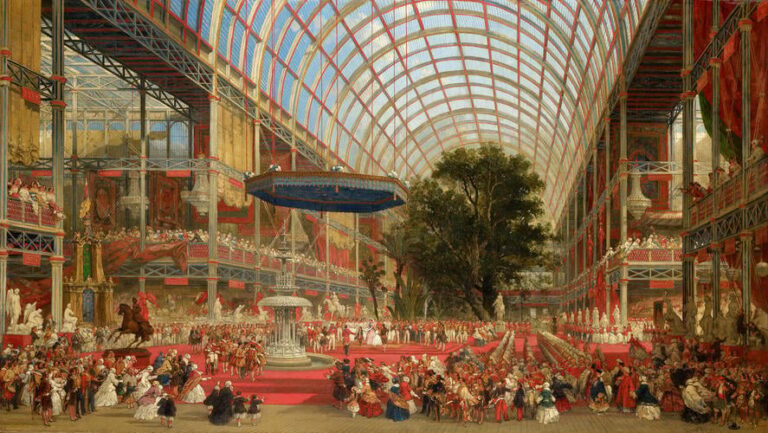
Museums: The Cornerstones of the Art World
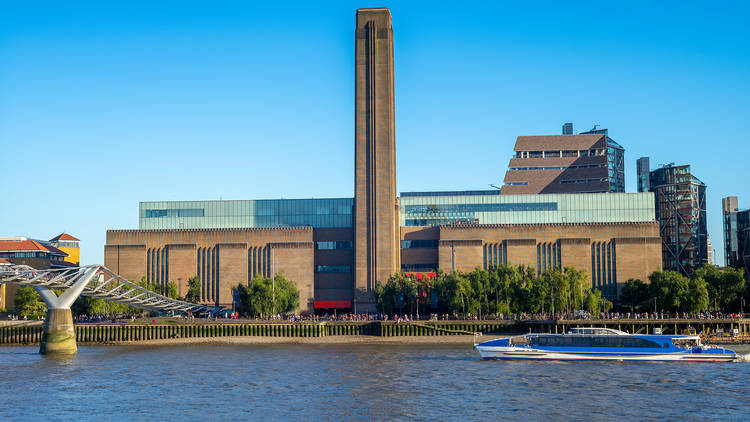 Tate Modern, London
Museums are more than just buildings that house relics and artworks. They are dynamic entities that shape the very fabric of the art world. Through their multifaceted roles as preservers, educators, and innovators, museums like the Victoria and Albert Museum, The British Museum, The National Gallery and The Centre Pompidou have become pivotal in maintaining and transforming artistic heritage. This article delves into the integral role of these institutions in moulding the art world, highlighting their impact on artists, audiences, and the broader cultural landscape.
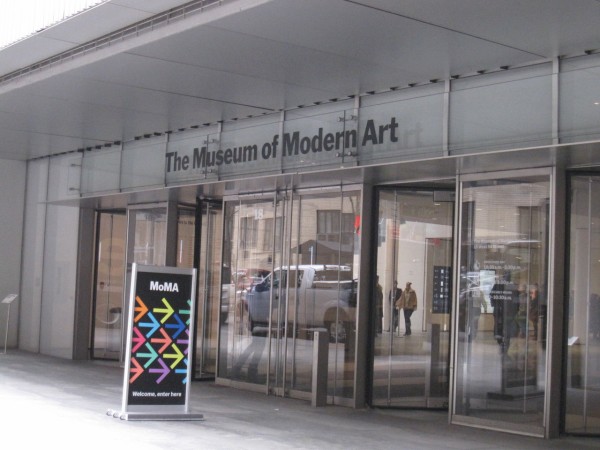 Museum of Modern Art, New York City
Historical and Cultural Preservation: At their core, museums are guardians of history. They conserve artworks and artifacts that span centuries, offering a tangible connection to the past. For instance, the British Museum, with its extensive collection of world art and artifacts, provides invaluable insights into human history and culture. Similarly, the Centre Pompidou, known for its modern and contemporary art collections, preserves pieces that are crucial in understanding the art movements of the 20th and 21st centuries.
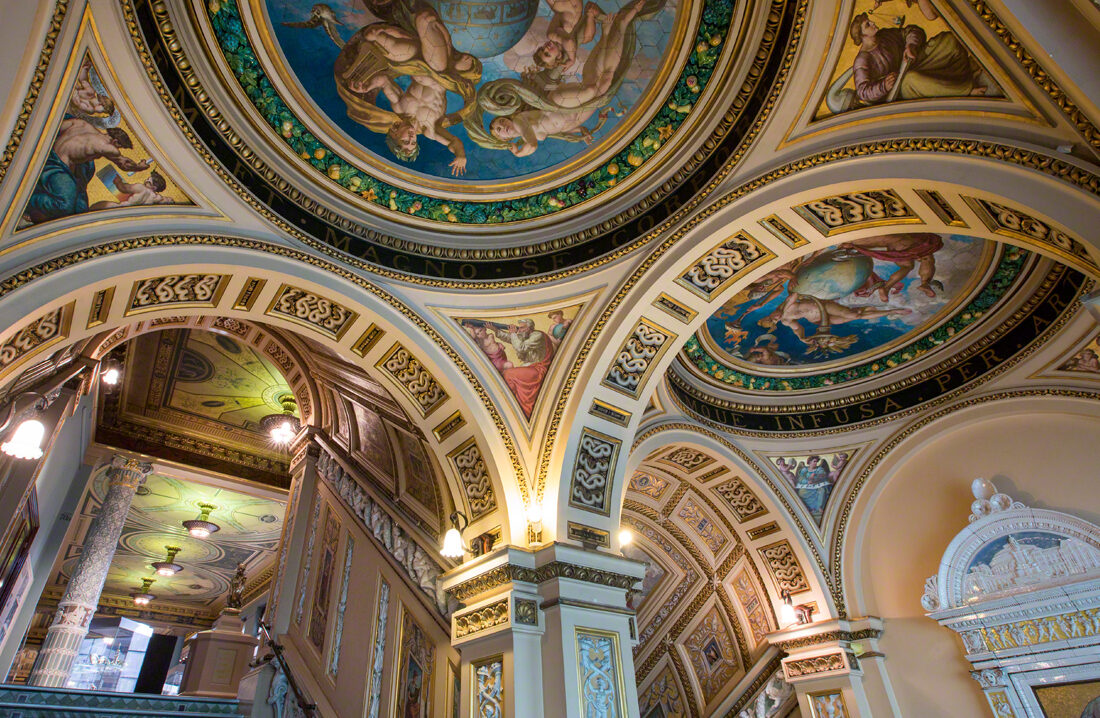 The Victoria & Albert Museum
Supporting Contemporary Art and Artists: Beyond preservation, museums play a significant role in promoting contemporary art. They offer platforms for emerging and established artists through exhibitions and residencies. These opportunities not only provide artists with exposure but also allow them to engage with historical works, fostering a dialogue between the past and the present. For example, residencies at the Victoria and Albert Museum have enabled artists to explore the museum’s vast collections, inspiring new works that resonate with historical contexts.
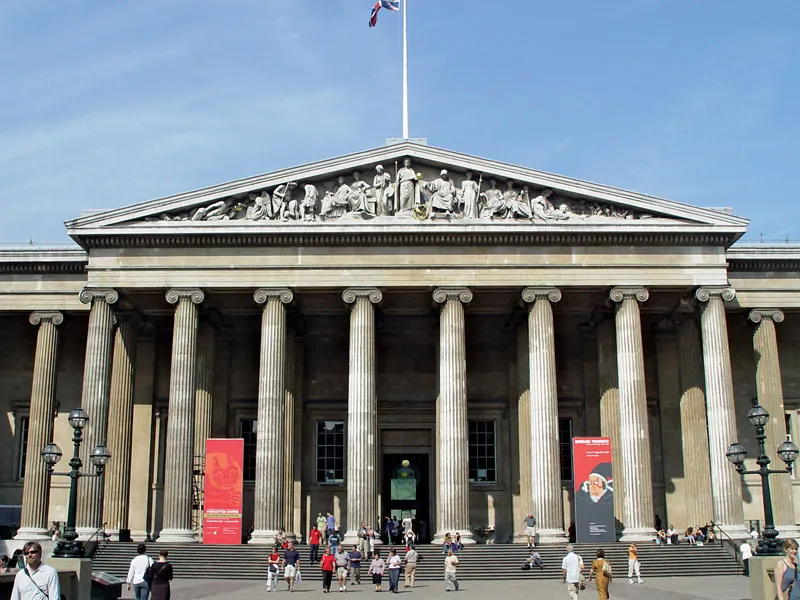 The British Museum
Recognition and Valuation of Artworks: Museums also influence the recognition and valuation of art. The process of curating artworks, based on factors like the artist’s background, the piece’s cultural significance, and its artistic merit, sets standards in the art world. This recognition is instrumental in shaping an artist’s career, providing them with credibility and prestige. Furthermore, the inclusion of an artist’s work in a renowned museum’s collection is often seen as a mark of success and can significantly enhance the value of their artwork.
Educational Role: Museums serve as educational hubs, offering the public a chance to engage with art in a meaningful way. They organise tours, workshops, and interactive exhibits, making art accessible to diverse audiences. Educational programs in museums like the Tate Modern or the National Gallery help demystify art, encouraging public participation and understanding. These institutions play a critical role in fostering an appreciation for art across various communities, contributing to cultural literacy.
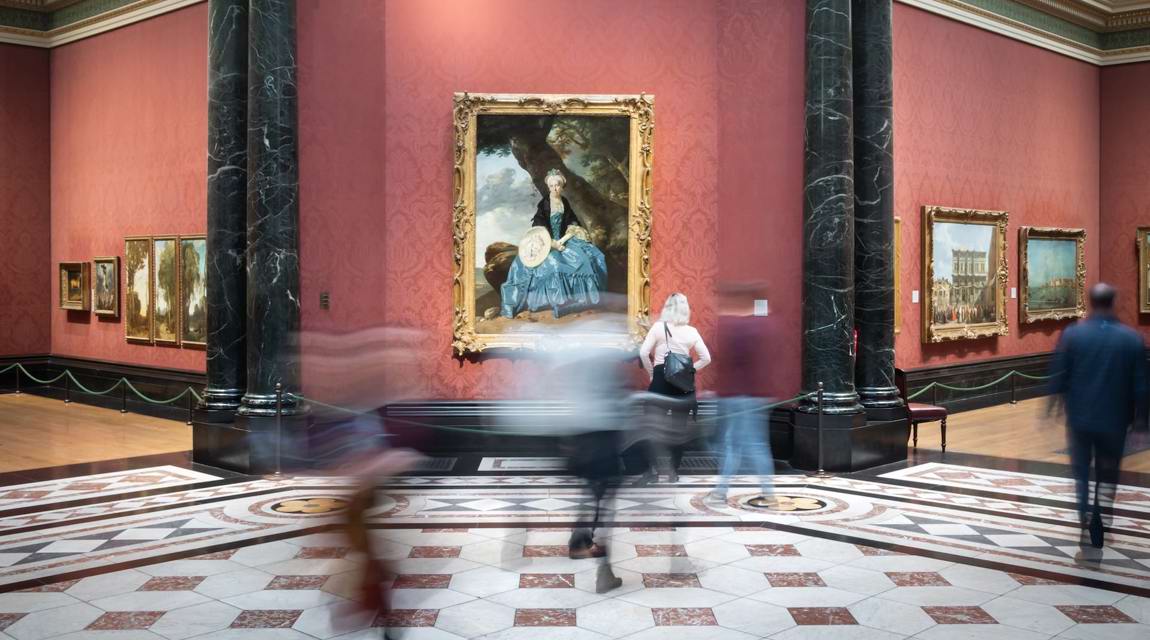 National Gallery, London
Cultural Tourism and Economic Impact: Cultural tourism is another significant aspect of museums’ impact. Museums attract millions of visitors annually, contributing to the local and national economy. The draw of iconic institutions like the Louvre or the Metropolitan Museum of Art lies not just in their collections but also in their cultural significance. This influx of visitors supports not only the museums themselves but also the surrounding businesses, making museums key players in the economic landscape.
Curatorial Influence: The influence of museum curators and directors in shaping art history and contemporary trends is profound. Their decisions regarding acquisitions, exhibitions, and conservation significantly impact public perception and understanding of art. They are the trendsetters who decide which artworks and artists get recognised, influencing the course of art history.
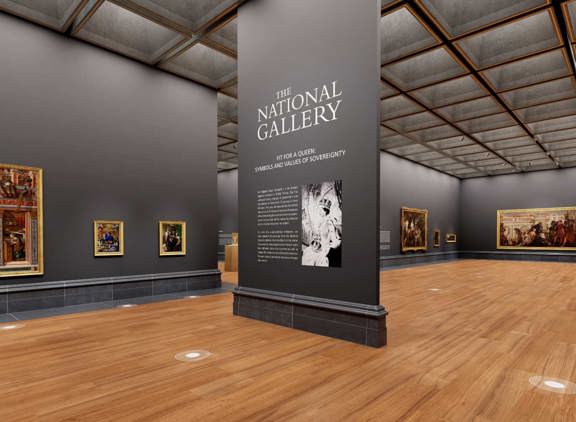 The National gallery, Virtual Exhibition
Museums and Technology: In recent years, museums have embraced technology to enhance visitor experience and accessibility. Digital archives, virtual tours, and interactive exhibits have opened up new ways for the public to engage with art, transcending geographical boundaries. This technological integration has been vital in keeping museums relevant in an increasingly digital world.
Global Reach and Collaboration: Many museums engage in international collaborations, lending and borrowing artworks for exhibitions. This global network enriches collections and offers audiences a more diverse experience. Collaborations like those between the British Museum and international institutions have resulted in groundbreaking exhibitions, drawing in visitors from around the world.
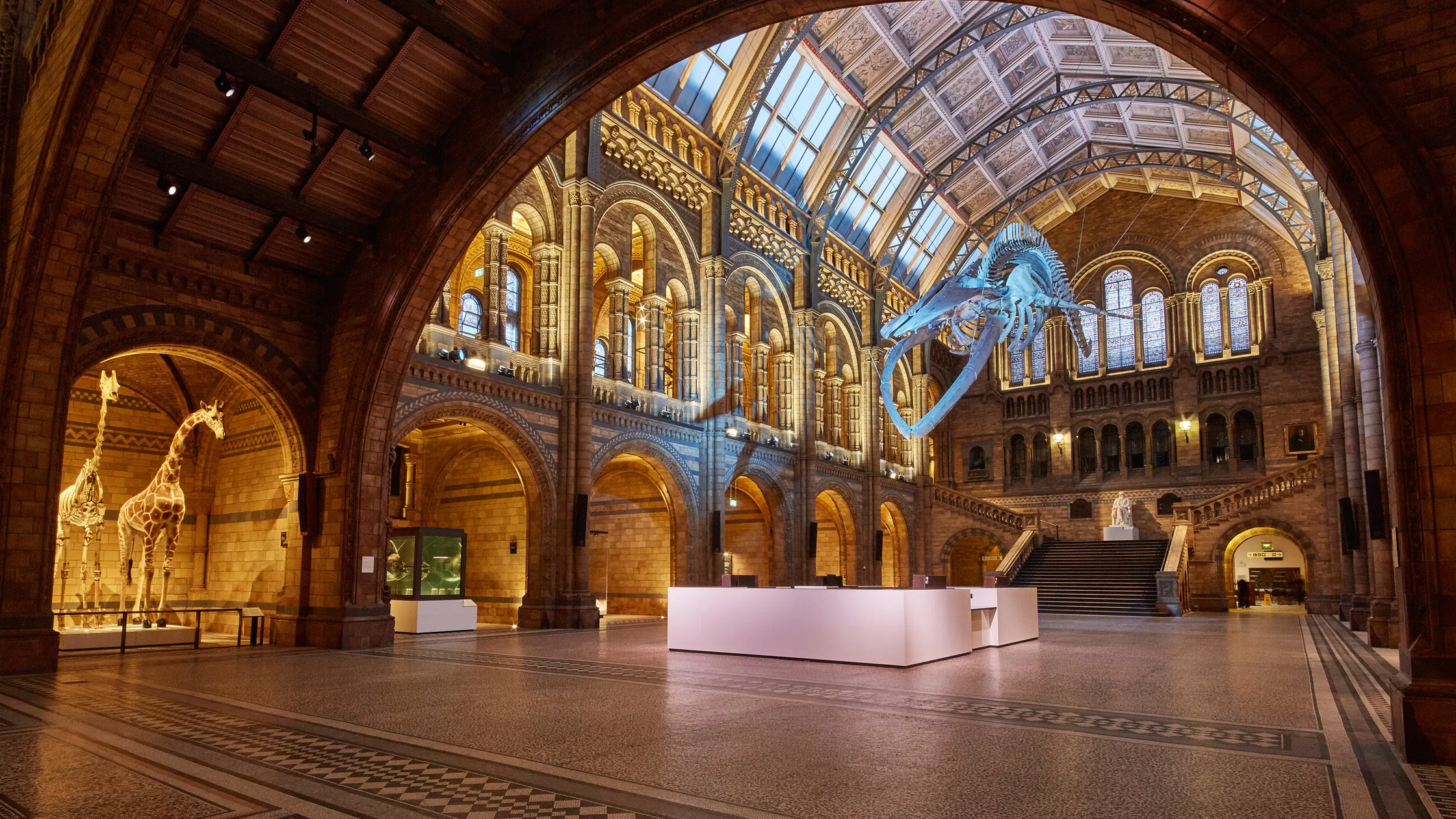 National History Museum
Sustainable Practices: Sustainability has become a focus for many museums, as they look to preserve not only art but also the environment. Practices such as energy-efficient lighting, climate control systems, and sustainable building materials are being increasingly adopted, reflecting museums’ commitment to environmental stewardship.
Conclusion: In essence, museums are foundational to the art world. Their role in preserving history, nurturing contemporary art, and educating the public is unparalleled. As we move forward, the importance of supporting these institutions becomes ever more evident. Museums not only hold the key to understanding our past but also play a crucial role in shaping the future of art. They stand as beacons of culture and creativity, essential in the ongoing narrative of human artistic expression.