Behind the Lens: Meryl Donoghue’s Cyanotype Innovations
In an exclusive interview, celebrated contemporary artist Meryl Donoghue shares insights into her distinctive practice that weaves together collaged cyanotypes, and explorations of animal specimens she encounters on her journeys. Donoghue’s work is a testament to her deep connection with nature, folklore, and mythology, offering a window into the imaginative mind of an artist who transcends the mundane to explore the realms of fantasy and escapism.

Growing up in the suburban landscape of Reading, England, Donoghue found herself drawn to the allure of the forests, animals, and the natural world. “It’s not super cultural…I think I was always influenced by fantasy, like escapism, wanting to be out in nature,” Donoghue reveals, highlighting her early inspirations. This longing for connection with the natural world and a penchant for storytelling are palpable in her artworks, which often incorporate elements of magic and exploration.
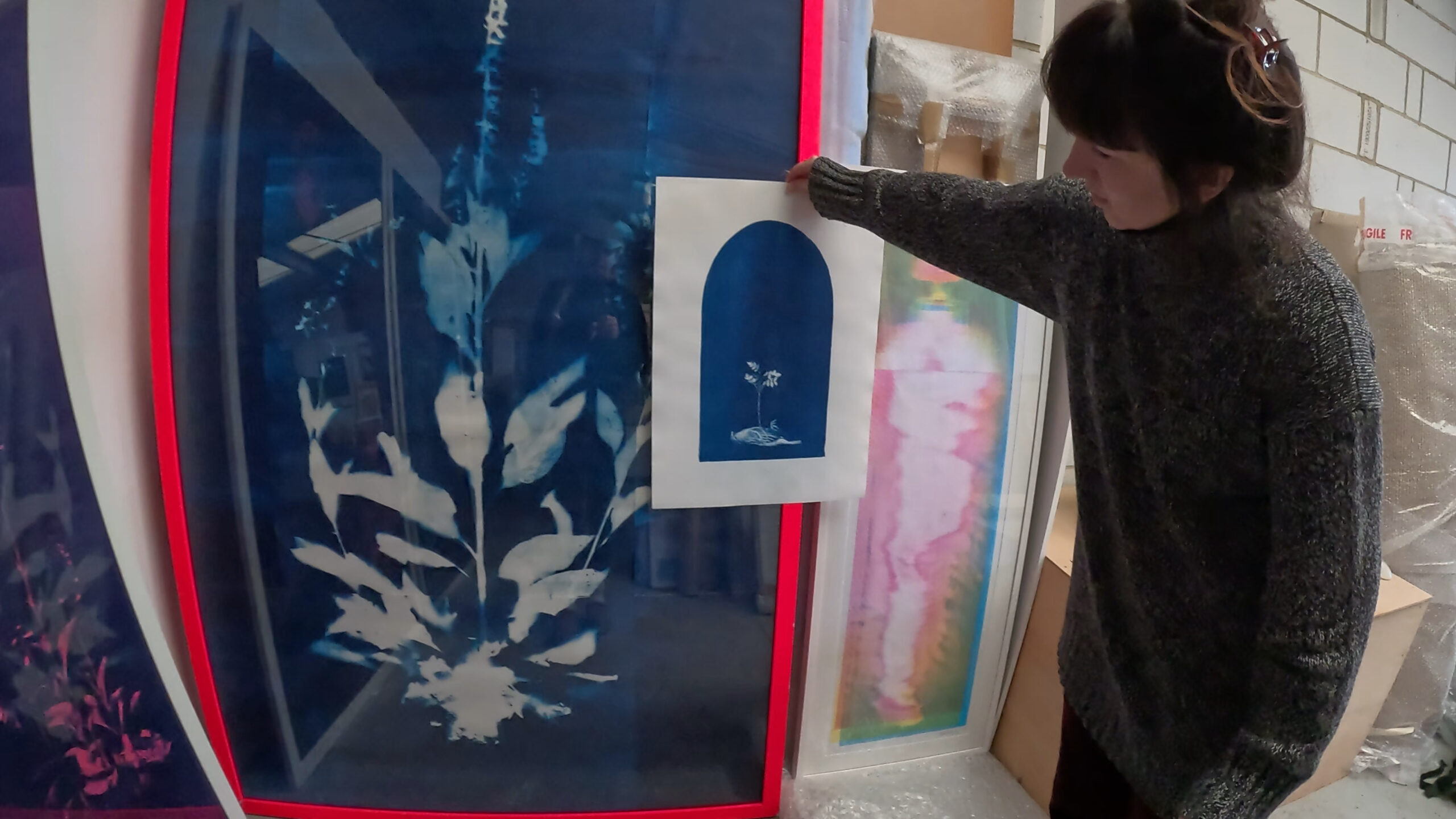
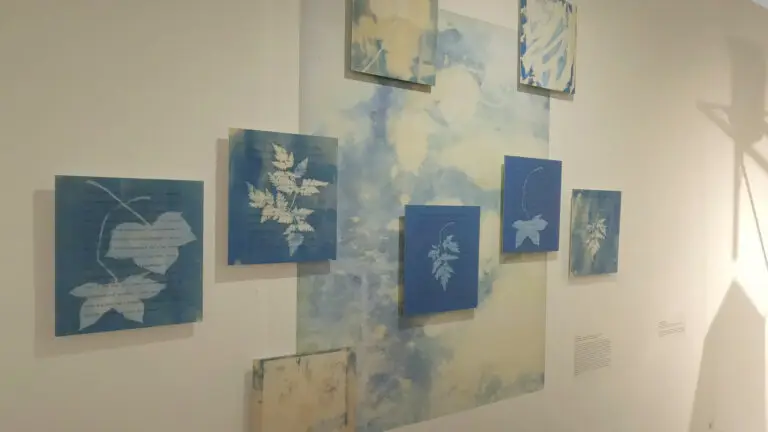
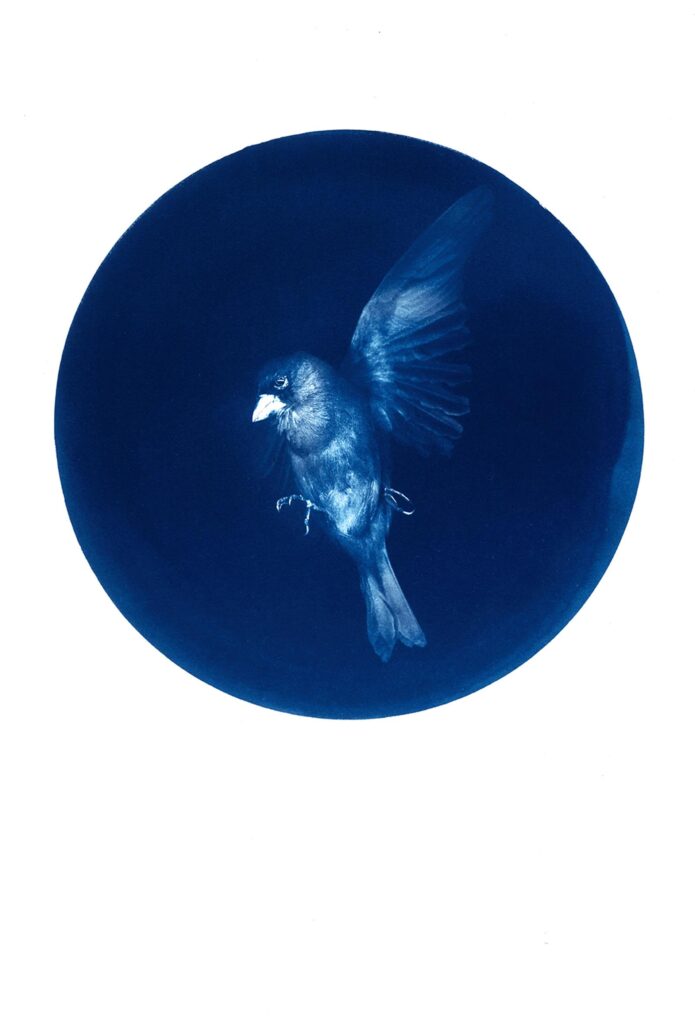
Meryl Donoghue’s journey into the creation of cyanotypes is a fascinating exploration of the intersection between art and science, reflecting her deep-rooted connection with nature and her innovative approach to traditional photographic processes. Cyanotypes, a photographic printing process that produces a cyan-blue print, became a significant medium for Donoghue, allowing her to merge her artistic vision with the tactile qualities of natural specimens she collects on her travels.
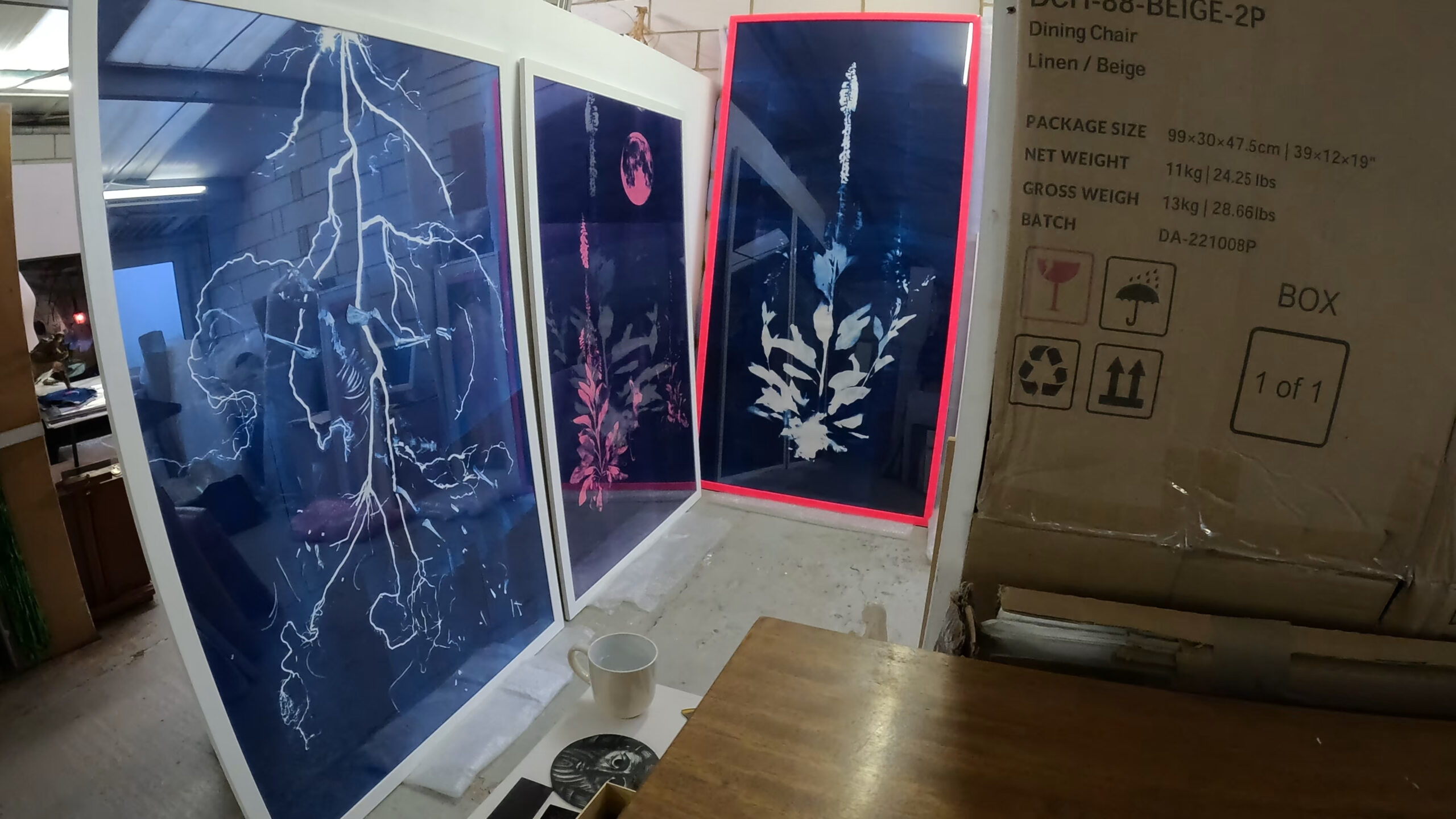
Donoghue first encountered cyanotypes during a visit to the V&A Museum, where the delicate blue prints sparked her curiosity. Starting with a basic kit, she experimented with small-scale compositions using plants and leaves, laying them on photosensitive paper to create impressions and shadows. “I had seen them at the V&A and I looked it up. I then sourced the chemicals I needed and began to experiment with the cyanotype process”, she recalls.
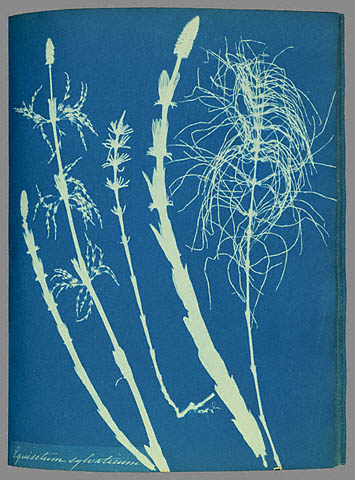
Anna Atkins, recognised as one of the first female photographers, is celebrated for her pioneering work with cyanotypes, a process she used to produce detailed blue prints of botanical specimens in the 19th century. Her work, which seamlessly blends scientific inquiry with artistic exploration, positioned her as a groundbreaking figure in both the art and science of photography.
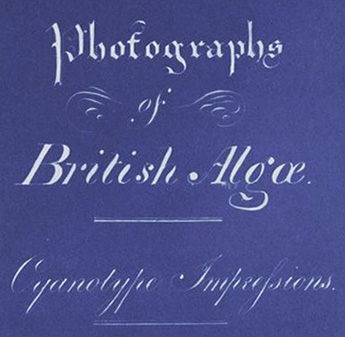
The Victoria and Albert Museum notably celebrates Atkins as a pioneer, underscoring her significant contribution to the realms of cyanotype and photography. Francesca Woodman, another influential female artist, explored themes of identity, the body, and space through her evocative and often haunting photographic work, distinguishing herself with a deeply introspective and experimental approach to photography in the late 20th century.

Meryl Donoghue, drawing inspiration from the natural world similar to Atkins, and delving into the realms of fantasy and introspection, carves her unique path in contemporary art through her innovative use of cyanotypes.

Meryl’s artistic journey is marked by a self-driven exploration of various mediums and techniques. From her initial fascination with the fantastical elements of film and folklore to her sophisticated engagement with animatronics and sculptural works, Donoghue’s practice reflects a constant pursuit of innovation. “Jim Henson’s creation “The Storyteller” was a big influence. Thats a niche reference, but that kind of creative storytelling through the medium of film was very important to me”. Meryl recalls.
Despite not coming from a family of artists, Donoghue attributes her creative instincts to her parents’ own creative endeavours. Her mother, a fashionista and teacher, and her father, an engineer at heart, provided a nurturing environment that encouraged curiosity and creativity. “To be around that kind of brain and watch and observe…probably paved the way for a lot of things,” she explains, suggesting how her familial background influenced her artistic development.
Donoghue’s educational journey took her from an Art Foundation course in Reading to the prestigious Slade School of Fine Art in London. It was during her time at Slade that her artistic vision began to take a more defined shape, influenced by the freedom and the critical environment it provided. “I think my journey took a different path. I think it really influenced me there,” she reflects on her time at Slade, emphasising the transformative impact of her education on her work.
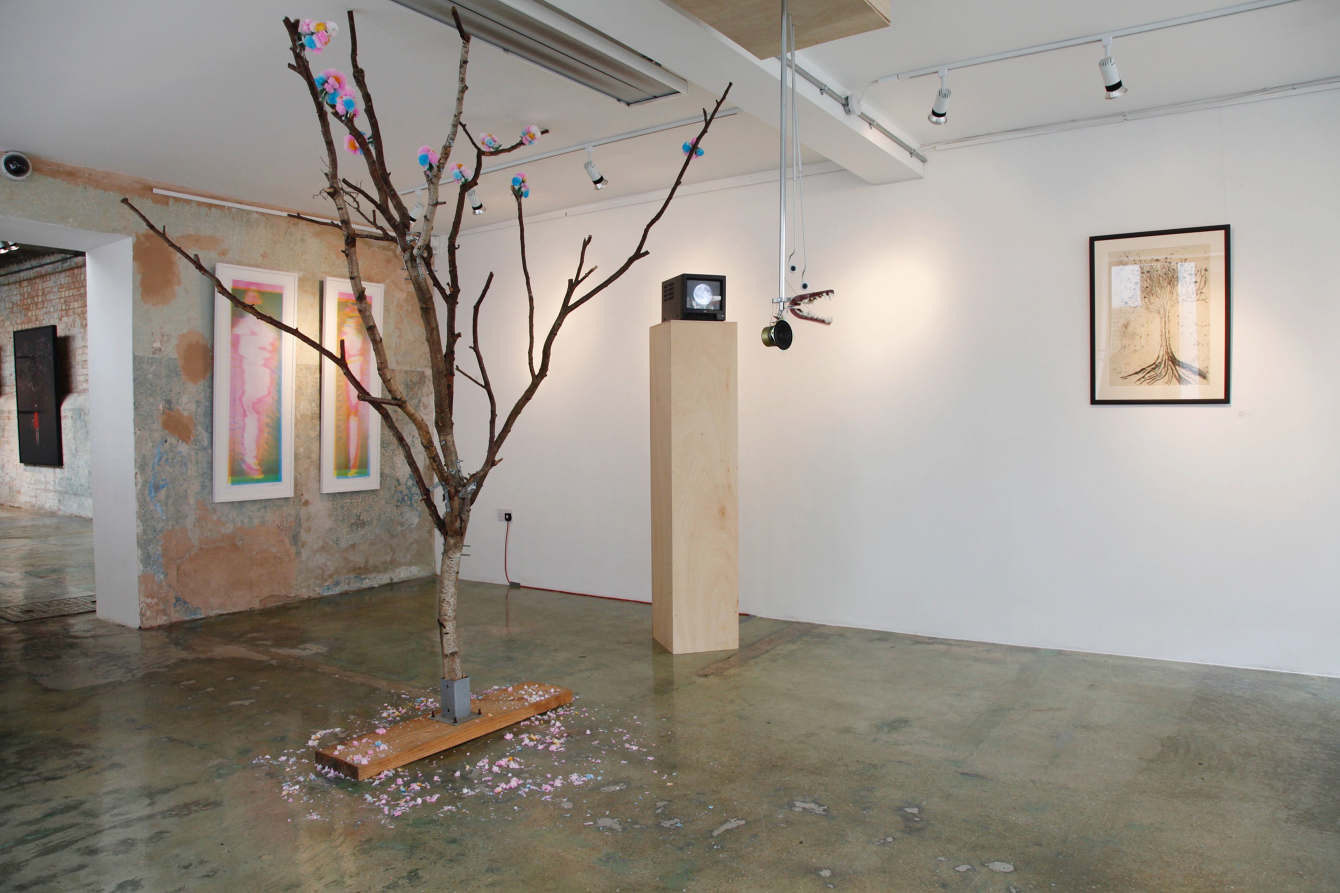
Collaboration, though not a central aspect of Donoghue’s practice, has played a role in her exploration of animatronics and mechanical sculptures. Working with individuals like John Nussey, an expert in Arduino programming, allowed Donoghue to bring her visions to life in new and unexpected ways. “I always think it’s good for artists to work with engineers, with computer scientists, with programmers,” she asserts, highlighting the value of interdisciplinary collaboration in realising complex projects.
Central to Donoghue’s work are her large-scale cyanotypes, a process that marries her fascination with nature and her skilful manipulation of photographic techniques. From delicate studies of flora to ambitious installations, the scale and complexity of her cyanotypes reveal an artist deeply engaged with her medium. “And then I started trying to kind of work out practically how big I could go, what toning I could do,” she says, discussing her process and the evolution of her cyanotype work.
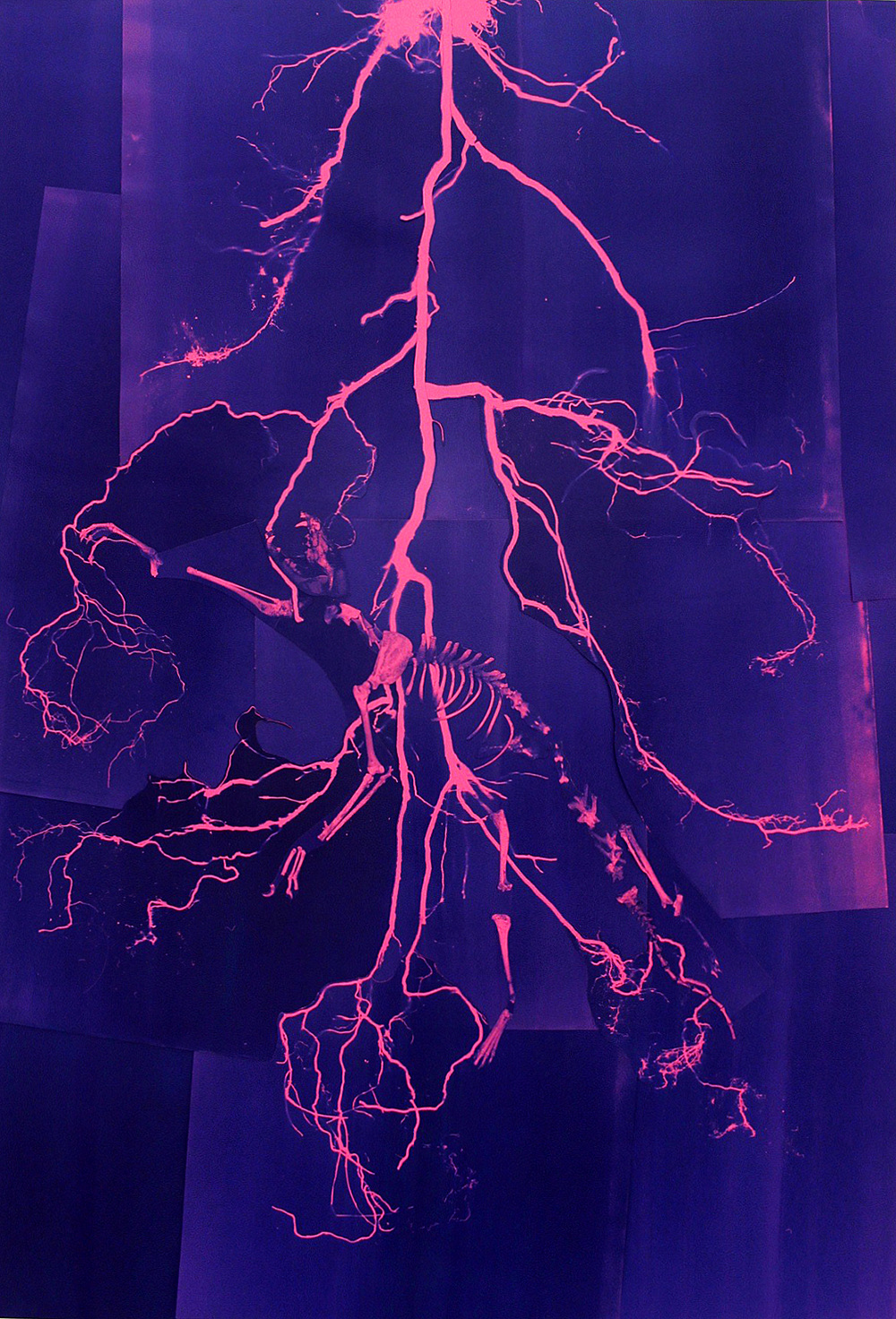
However, Donoghue’s ambition and curiosity led her to expand the scale and complexity of her cyanotype works. After losing access to a darkroom, she revisited cyanotypes as an alternative way to continue her exploration of photographic impressions without the need for darkroom facilities. “Then when I came out of the institution, I didn’t have access to a dark room. So I then thought how can I make photogram based work, out of the darkroom…Cyanotypes were the answer. Laying plants and objects onto paper and basically creating impressions and shadows. The first cyanotypes were actually dubbed Shadowgraphs” Donoghue explains.
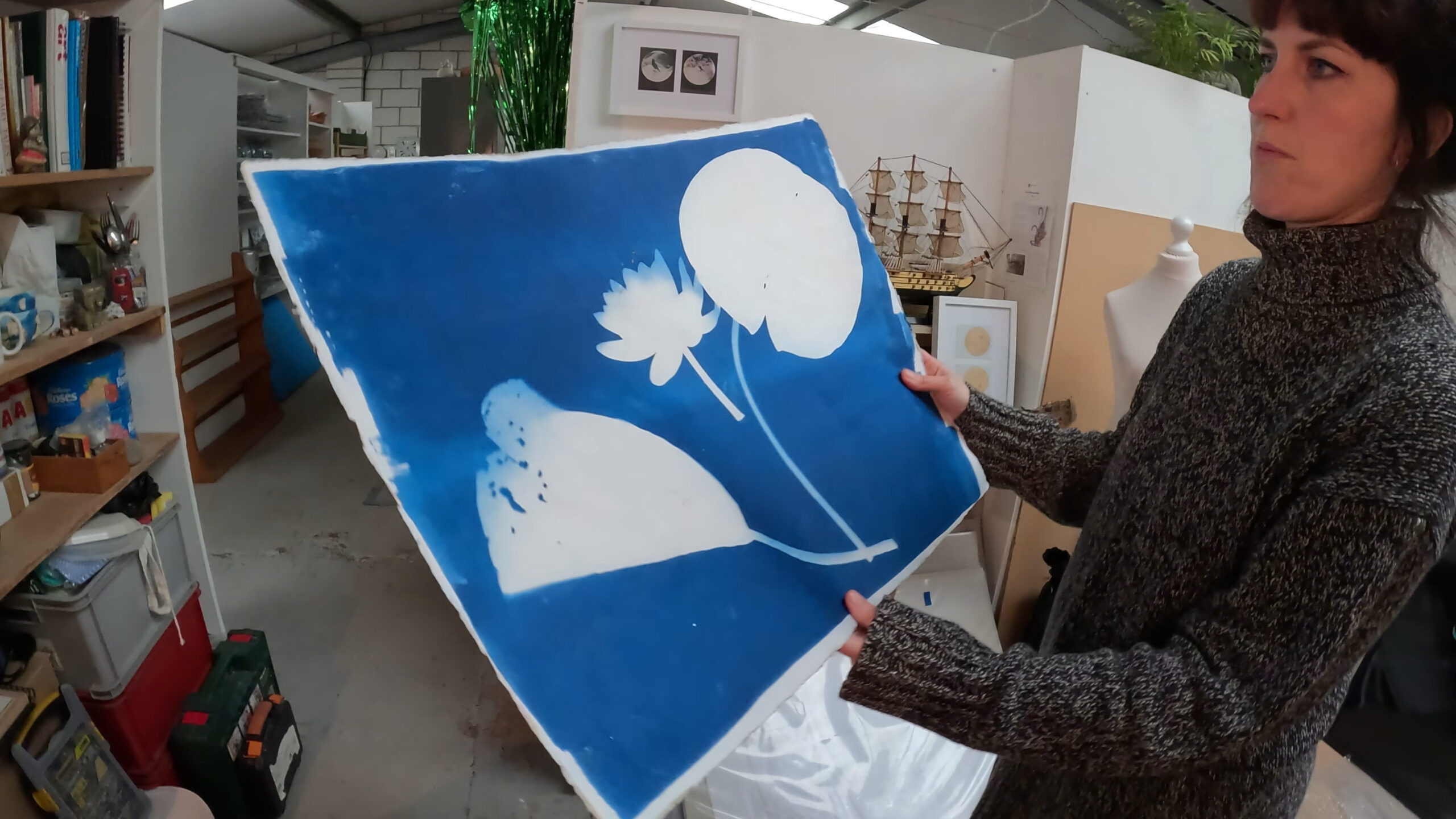
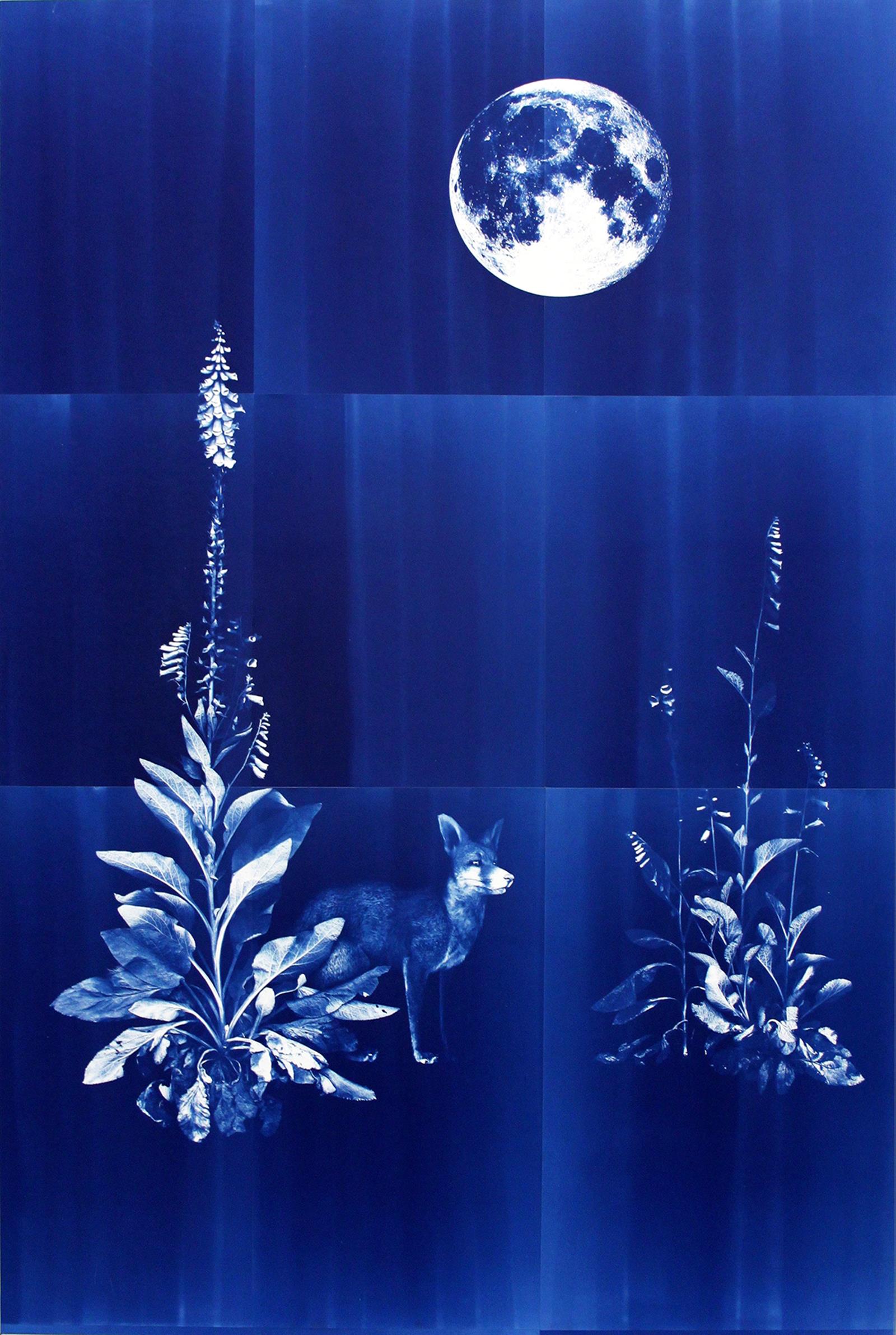
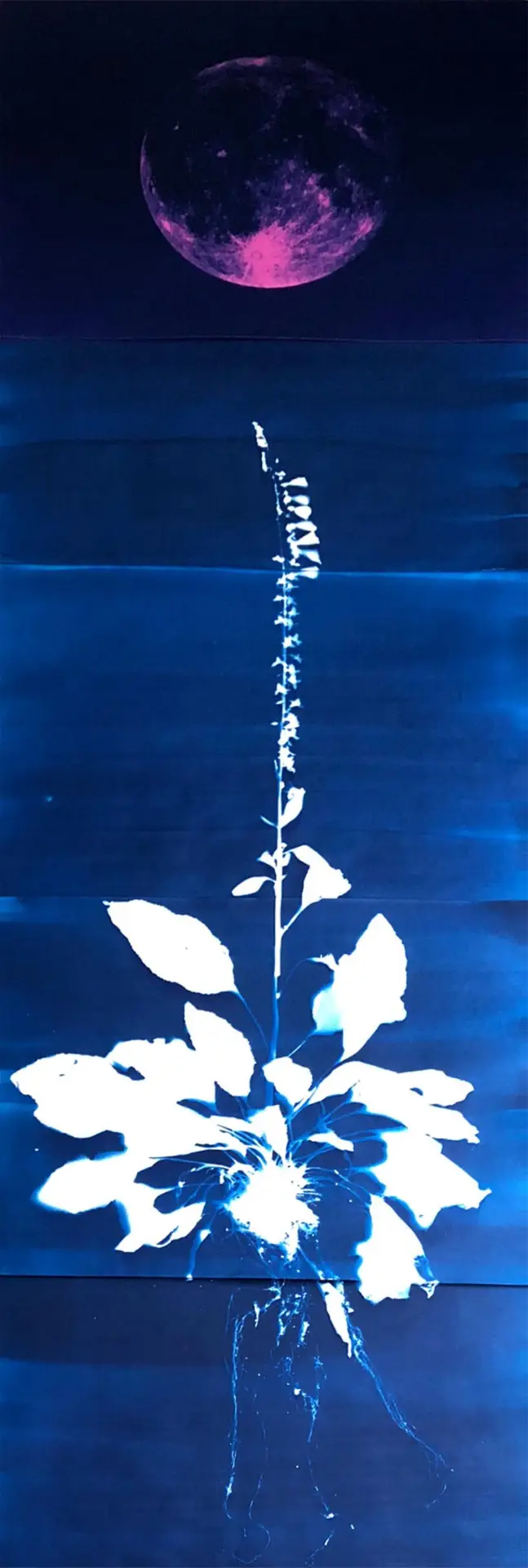
One of her notable series of works involves creating life-sized impressions of foxgloves, with the final pieces standing taller than the artist herself when accounting for the root system and the flower’s height. “In reality, they don’t look like they would be, but when you account for the root system and the top of the flower,” she notes, highlighting the scale and ambition of her cyanotype projects.
Donoghue’s cyanotypes are not just technical achievements; they are deeply personal explorations of the natural world, blending her scientific curiosity with her artistic creativity. Through her innovative use of cyanotypes, Meryl Donoghue continues to explore themes of nature, mythology, and fantasy, inviting viewers into her uniquely crafted worlds that bridge the gap between reality and imagination.
Donoghue’s inspirations extend beyond the contemporary art scene, drawing significantly from her experiences with museums, particularly those dedicated to natural history. “My main interest was natural history,” she shares, revealing how museums and their collections have influenced her artistic perspective. Her fascination with the way museums present and contextualise objects speaks to her broader interest in storytelling, history, and the interaction between humans and the natural world.

Meryl Donoghue is a multifaceted artist who adeptly navigates various disciplines within the visual arts. While she is renowned for her distinctive cyanotypes, which have become her signature medium, Donoghue’s repertoire extends well beyond this technique. She is skilled in all forms of photography and photo scanning, showcasing her versatility across multiple platforms. In addition to her photographic endeavours, she creates intricate collages and engages in animatronic projects, each adding a unique layer to her extensive body of work. This diverse approach allows Donoghue to explore and express a broad range of themes and narratives, solidifying her status as a multi-disciplinary artist in the contemporary art scene.
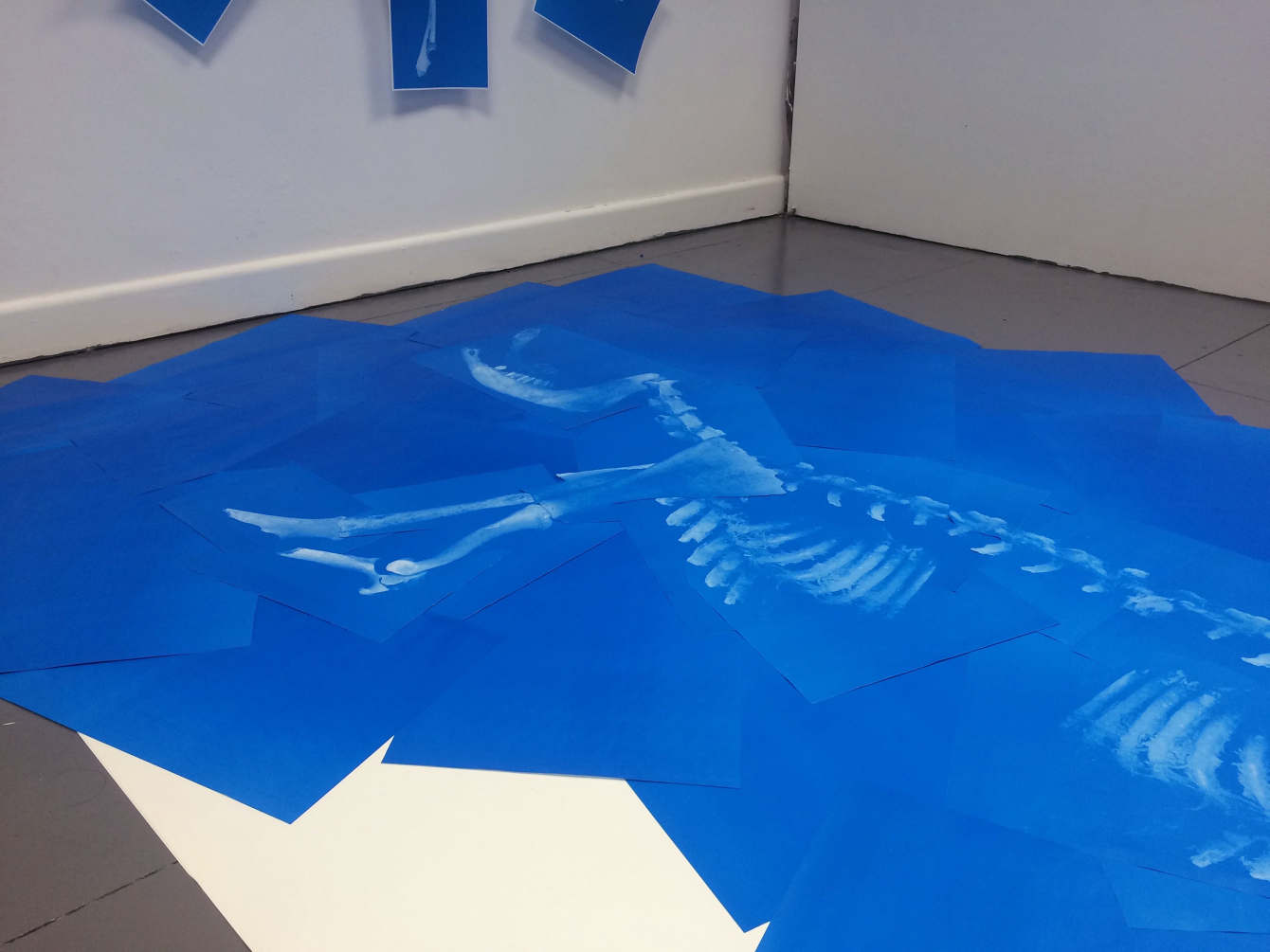
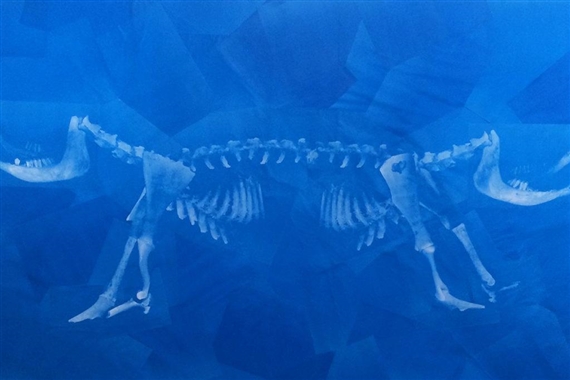
“The Search for Behemoth” is an enchanting exploration of myth and materiality by Meryl Donoghue, captured on the ethereal medium of cyanotype. Through photo scans of bones collected on her travels across the Judean Desert, Donoghue conjures the biblical behemoth, a creature of grandeur and mystery. The artwork, resplendent in hues of blue, represents both a literal and a spiritual quest, mapping the artist’s physical journey and her navigation through the terrains of folklore and personal narrative.

In the artwork, bones are assembled and transformed into a contemporary representation of the Behemoth, overlaid against a fragmented, crystalline backdrop that seems to suggest both dissolution and formation. This synthesis of organic form with geometric abstraction invites the viewer to contemplate the intersections of ancient texts and modern artistic techniques, the tangible remnants of life, and the intangible realms of legend.
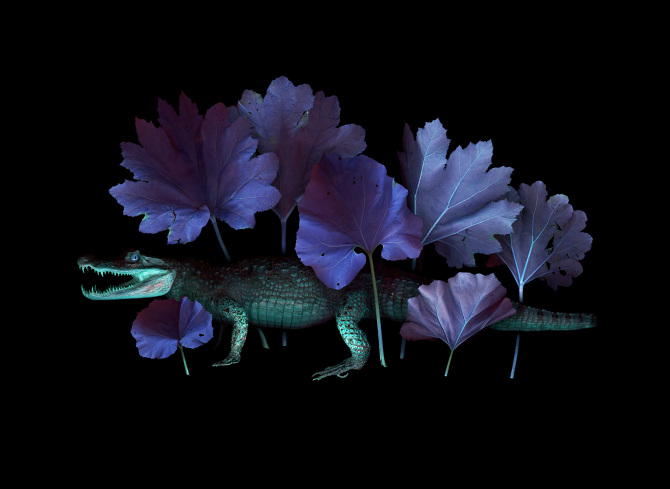
Looking towards the future, Donoghue contemplates the surreal prospect of her work entering museum collections, a recognition of an artist’s contribution to the cultural and historical fabric. “It would be amazing…to have your work, amongst other works that you’ve admired,” she muses, considering the impact of such an achievement on her career and legacy.

Meryl Donoghue’s interview offers a rare glimpse into the mind of an artist whose work defies easy categorisation, driven by a profound connection to the natural world and a relentless pursuit of artistic innovation. Her journey, marked by curiosity, creativity, and a dedication to pushing the boundaries of her chosen mediums, continues to inspire and challenge our understanding of contemporary art.
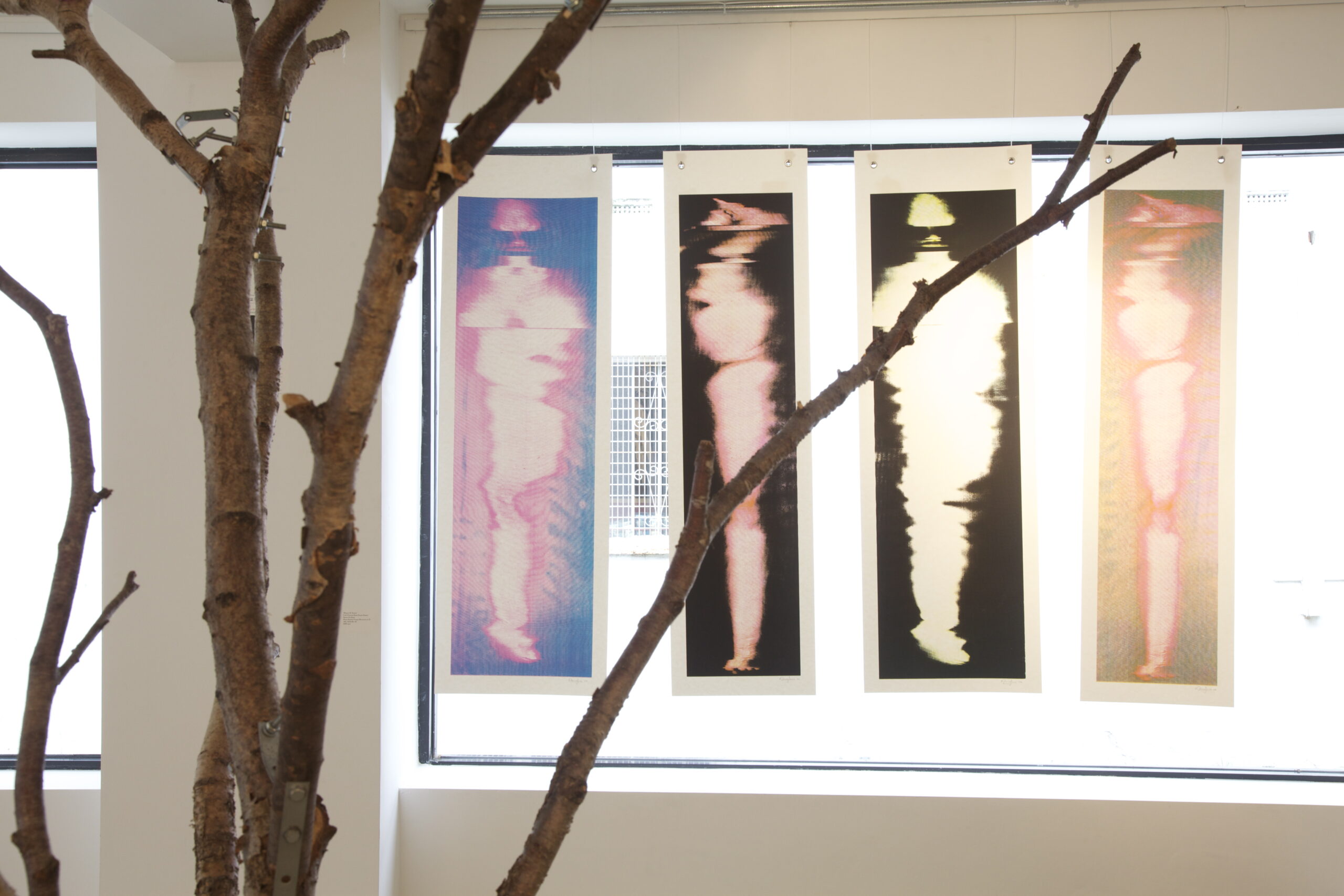
Meryl Donoghue’s artistic journey is a vivid exploration of the intersections between nature, mythology, and technology. Through her innovative use of cyanotypes and her deep engagement with the narratives of the natural world, Donoghue has carved out a distinctive niche in contemporary art. Her work not only reflects a technical mastery but also embodies a profound philosophical inquiry into the essence of being and the narratives we construct around our natural environment.
As we look forward to witnessing the future developments in her creative pursuits, one wonders: What new realms will Meryl Donoghue explore next in her continuing evolution as an artist?