Pia MYrvoLD: Pioneering the Fusion of Art and Technology in the Digital Age
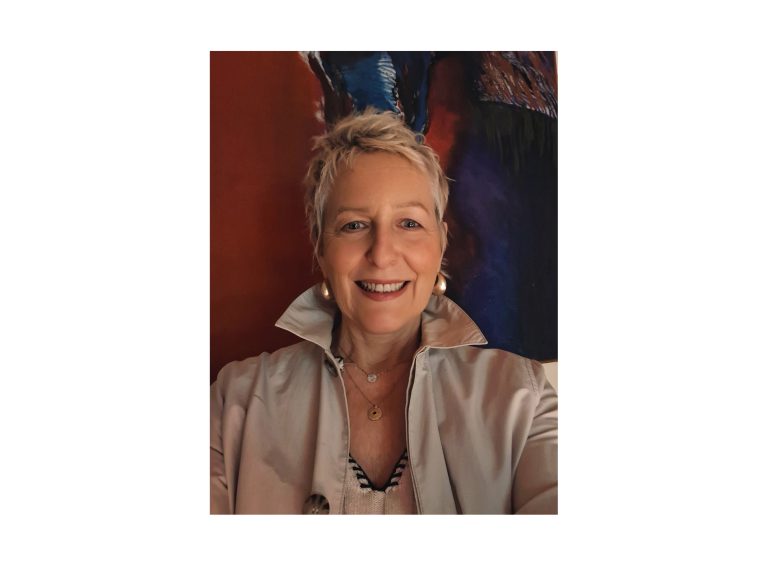
In the world of contemporary art, Pia Myrvold stands out as a figure of immense innovation and creativity. With a career that seamlessly weaves together art and technology, Pia has carved a distinctive path for herself, challenging traditional art forms, and pioneering new methods of creative expression. Through her dynamic integration of digital media, interactive installations, and fashion, the artist has not only influenced a generation of artists but also reshaped our engagement with art in the digital age.
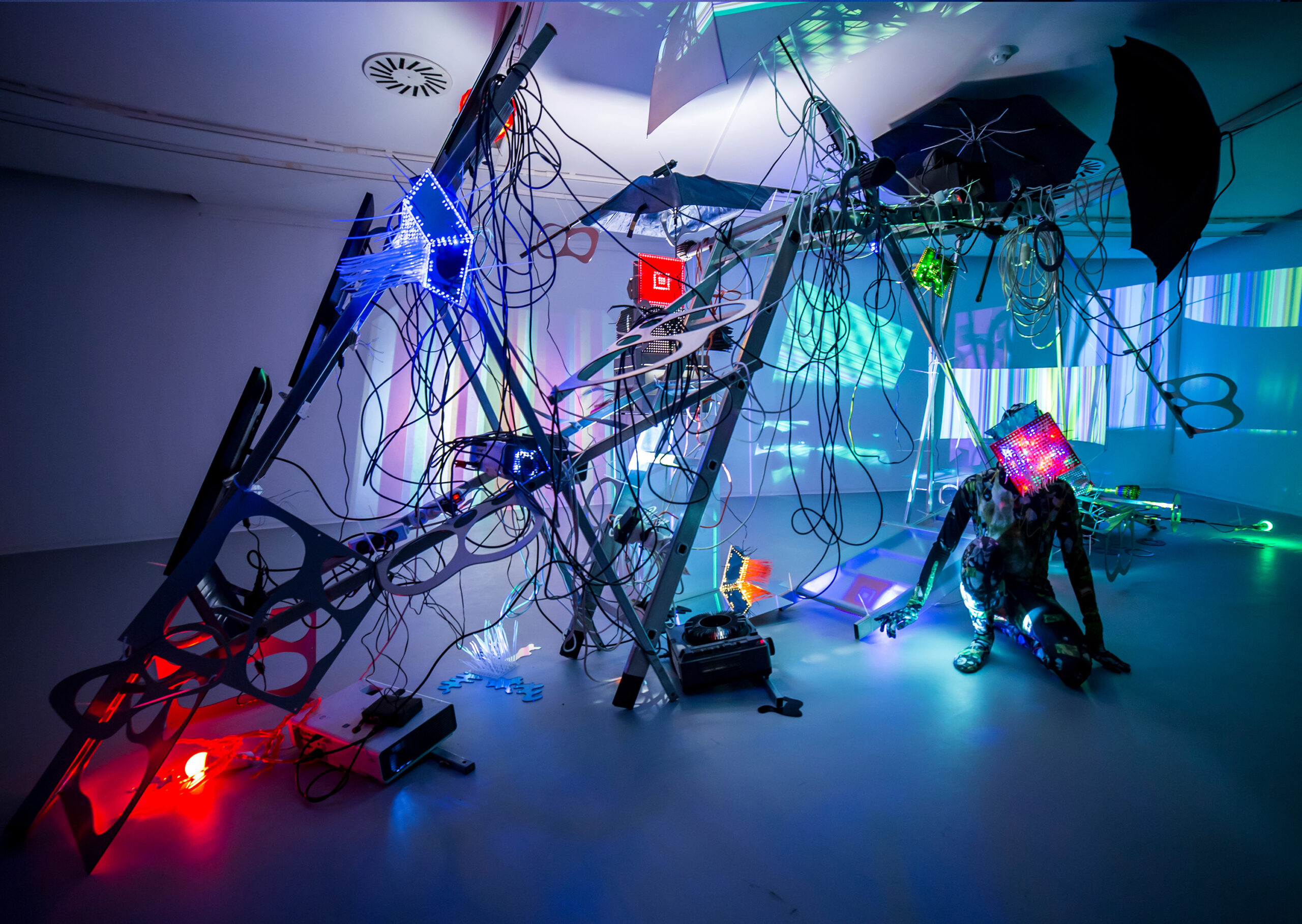
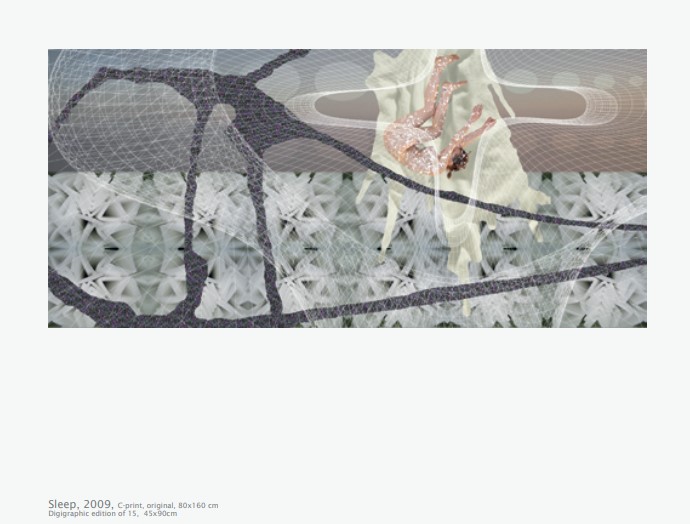
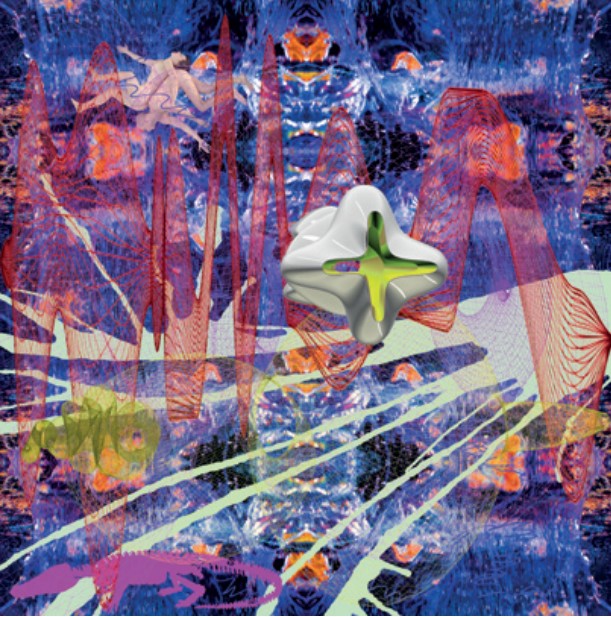
Pia Myrvold is a multifaceted artist whose work spans across several disciplines, including painting, installation, video art, fashion design, music and digital technologies. Pia, the innovator who is ahead of her time enjoys a continuous exploration of art and technology, utilizing a wide array of materials and digital interfaces to create immersive environments that engage the audience in a participatory experience. Her art often incorporates elements of performance, music, architecture, and even robotic sculptures, showcasing her innovative approach to expanding the traditional boundaries of artistic expression.
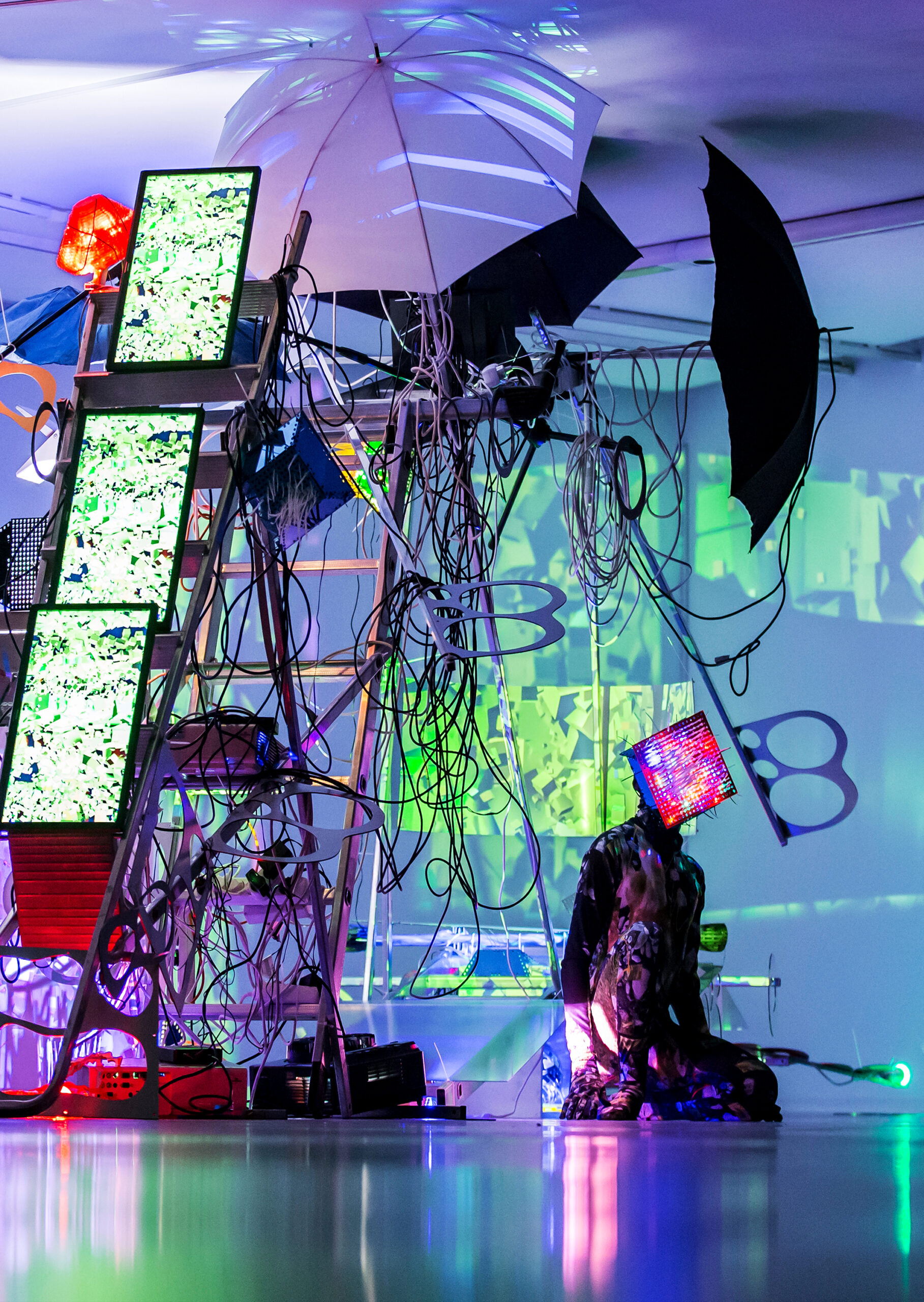
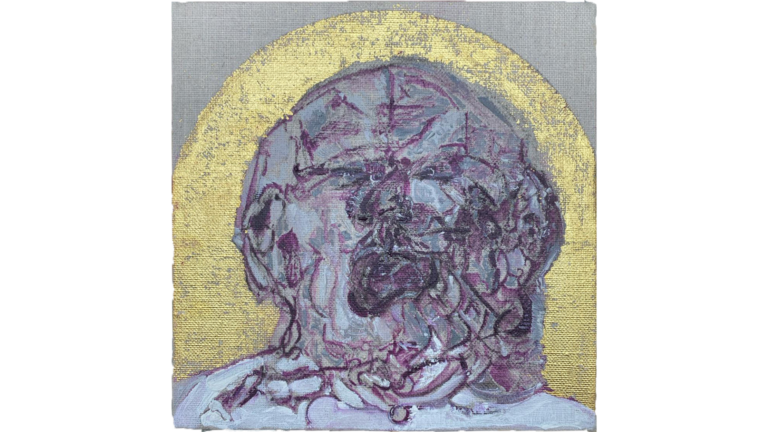
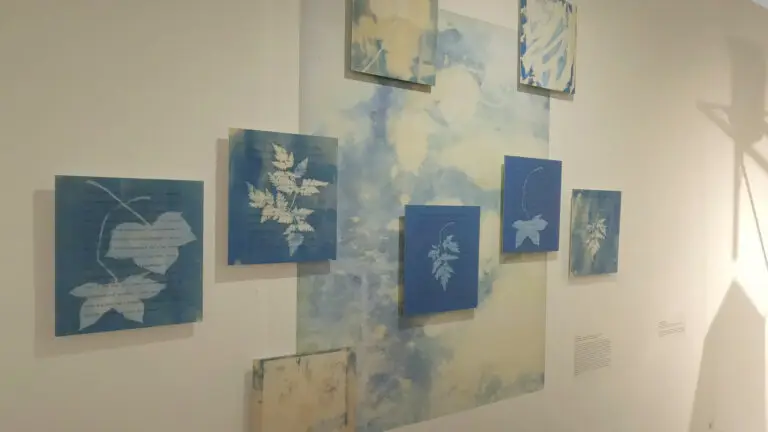
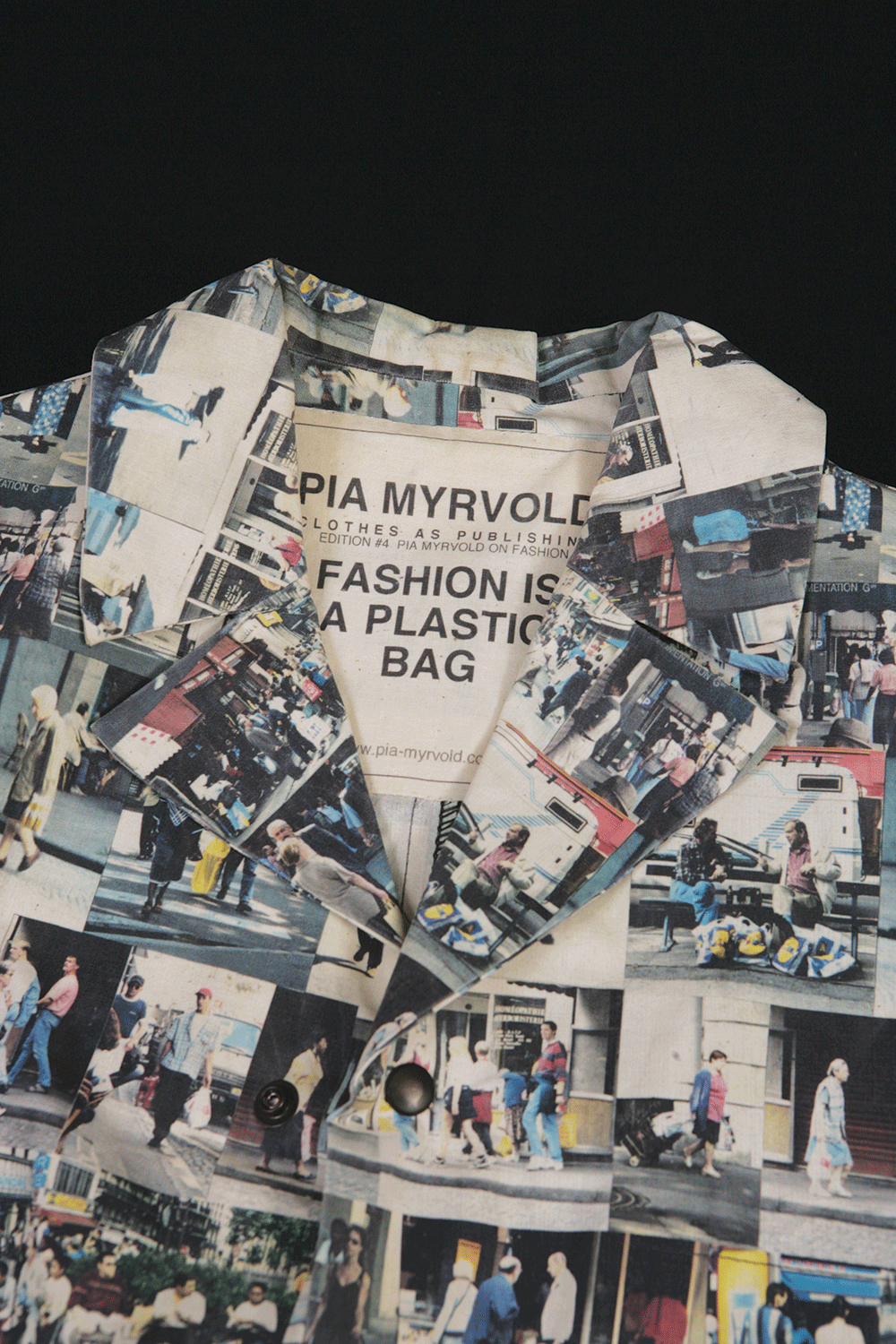
Materials in Myrvold’s work range from traditional mediums like canvas and paint to more unconventional items such as plastic bags, LED screens, and electronic gadgets. She is also known for her use of digital tools and software to create interactive art pieces and virtual landscapes.
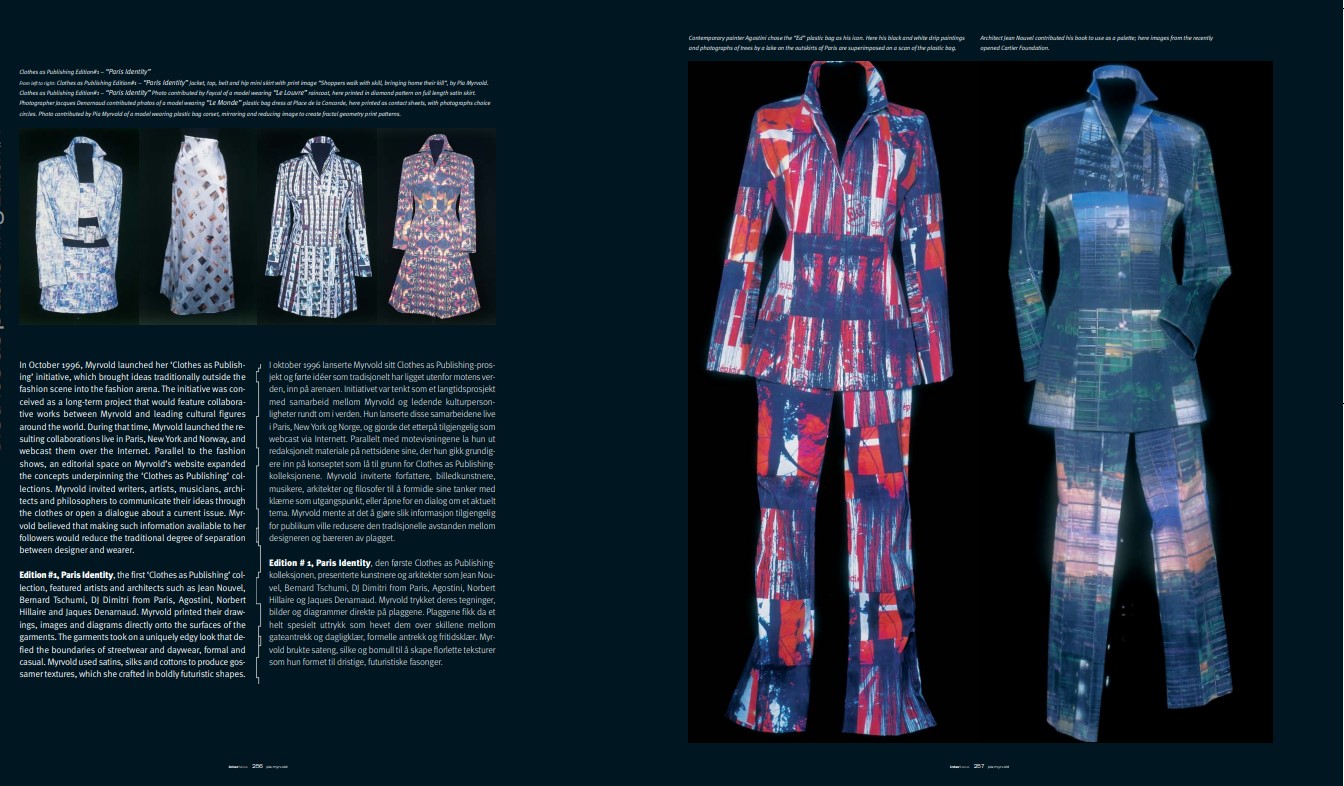
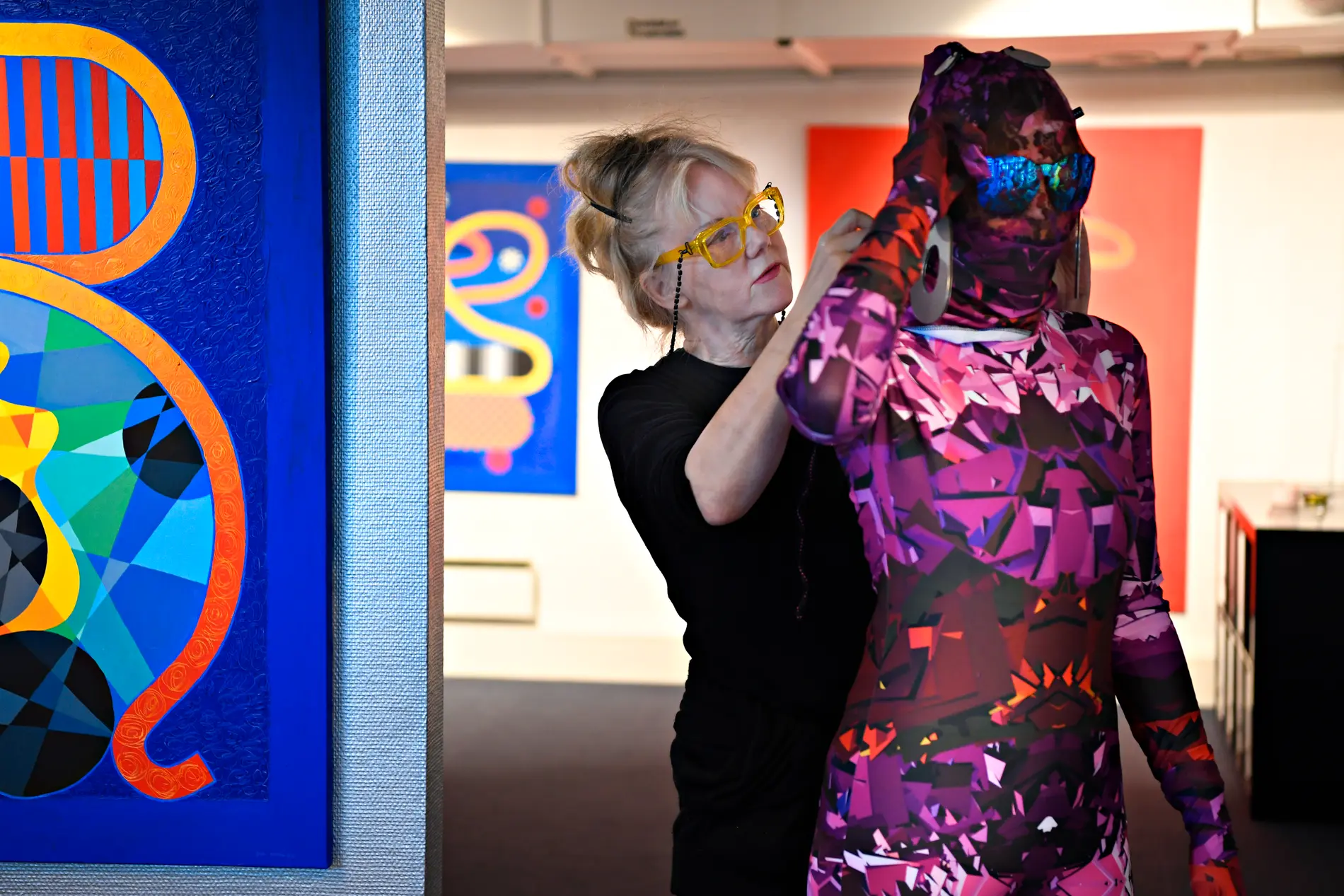
Myrvold’s wearable art and fashion designs often blur the lines between art and utility, incorporating digital prints and multimedia elements that reflect her interest in cyber culture and the digital dissemination of ideas. The multifaceted approach of this skilled artist not only showcases her adaptability and creativity but also mirrors her conviction in being a visionary who can drive social transformation and cultural progress. Through the wide array of her works, Myrvold encourages audiences to venture into novel realms and interact with art in ways that are both dynamic and trans-formative.
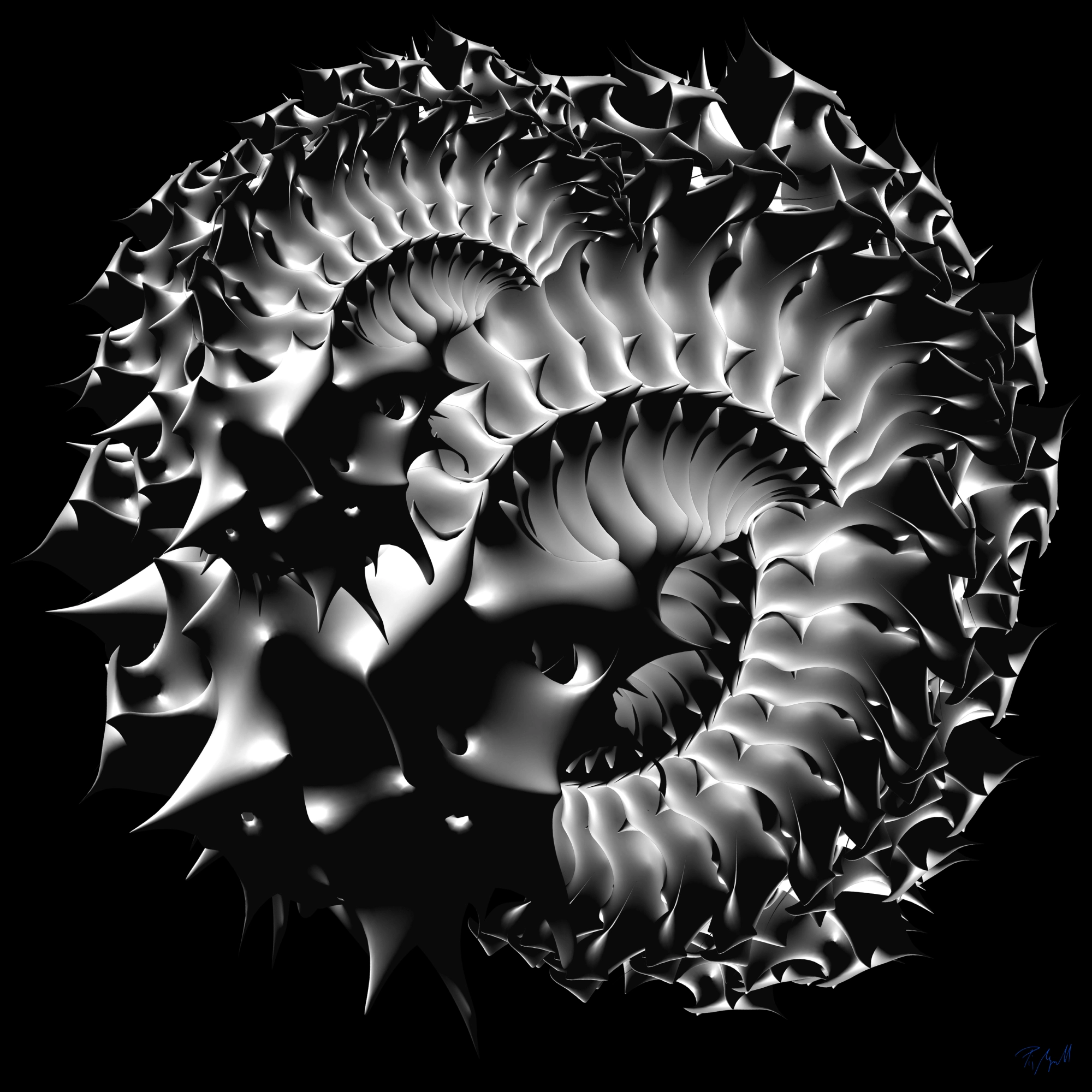
Pia’s work has been celebrated by the world’s leading art institutions, with multiple collaborations that extend to various prestigious museums and galleries, displaying her ability to resonate with wider and diverse audiences. These partnerships not only validate her approach to art but also provide platforms for her to influence the contemporary art scene on a global scale. Through these collaborations, Myrvold has continually pushed the boundaries of what is possible in art, challenging both creators and viewers to re-imagine the role of technology in artistic expression.
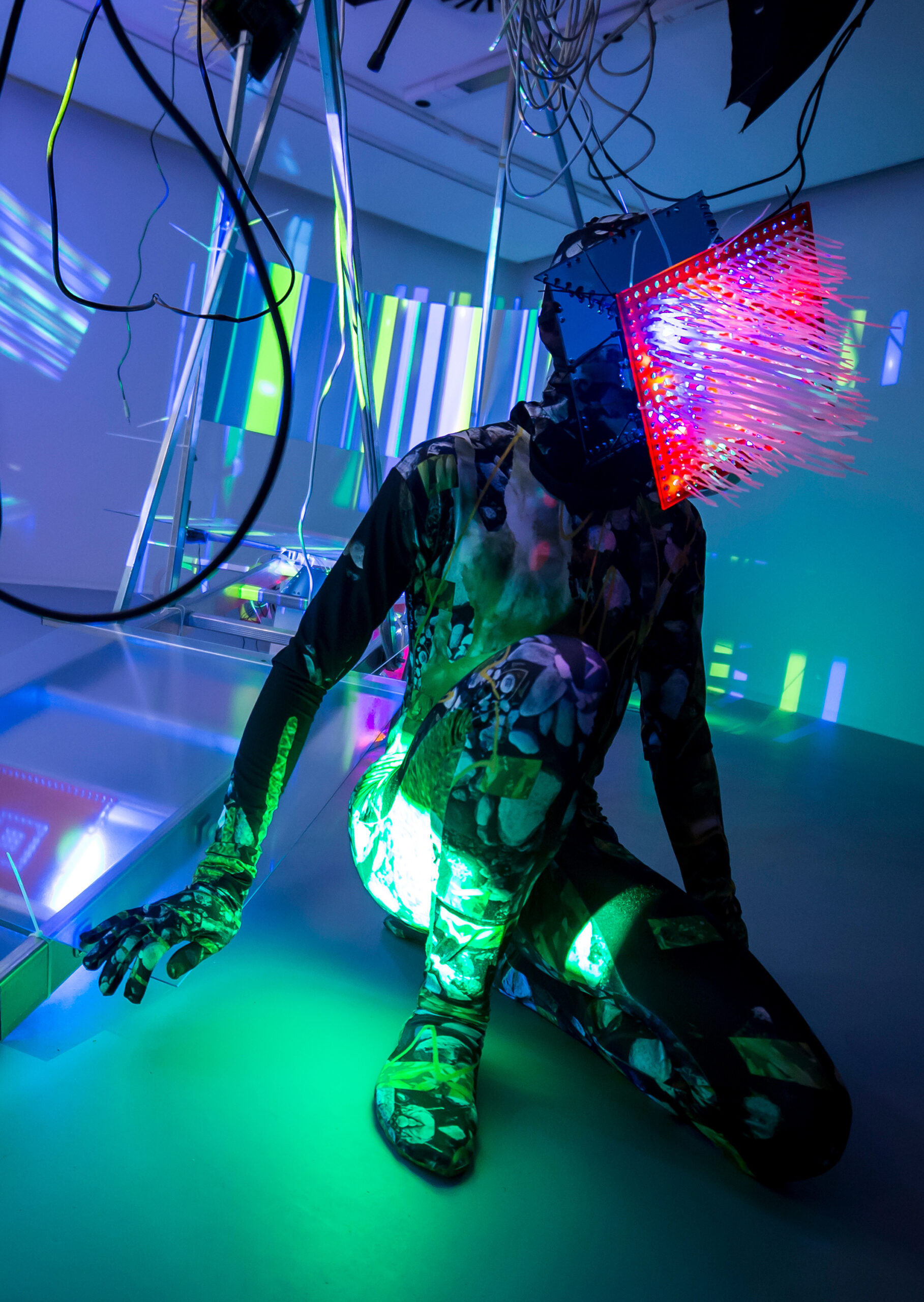
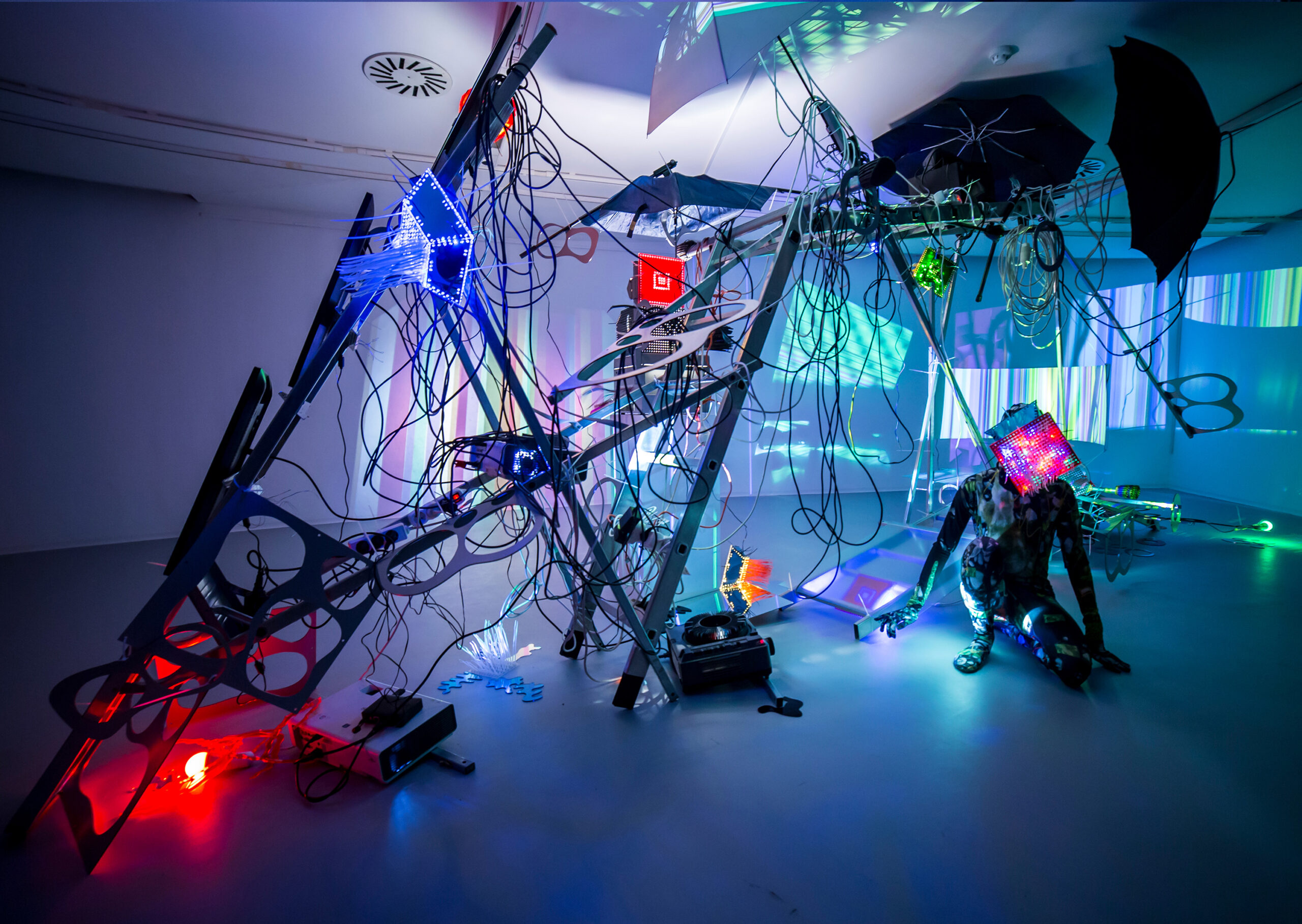
Her exhibition success is notable, especially for the impressive visitor numbers and her achievements in pushing the boundaries of art and technology. One of her most remarkable accomplishments include the “LightHack” installation at the Shenzhen Art Museum, which attracted over 220,000 visitors, marking a significant milestone in her career. This achievement surpassed her previous records, such as 30,000 visitors at the K11 Art Foundation in Shanghai, 20,000 at the Venice Art Biennale exhibition, and 12,000 at Centre Pompidou in Paris. Additionally, the Bergen Art Museum’s “Bergen Identity” solo show in Norway also drew attention with over 10,000 visitors.
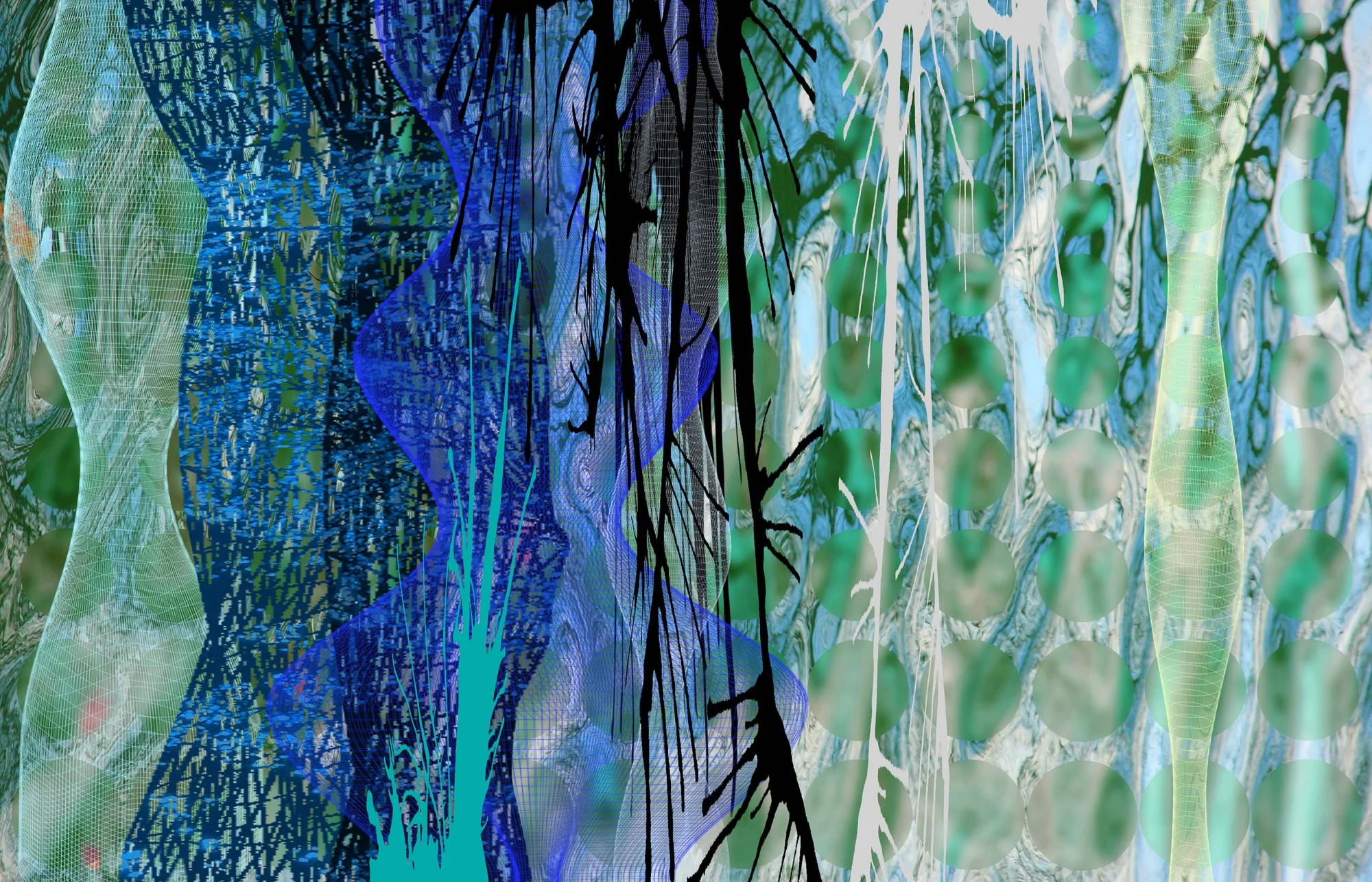
Myrvold’s artistic perspective was significantly influenced by her time in California, where she encountered Abstract Expressionism’s dynamic energy. Artists like Jackson Pollock and Mark Rothko, known for their colossal canvases and vibrant use of colour. This exposure broadened her concept of art, pushing her to explore beyond conventional boundaries. To think and perceive art in ways that can become almost impossible to imagine.
The transition from acoustic instruments to electronic music marked a significant turning point in Myrvold’s creative exploration. “I think I started with a synthesizer when I was 21, and I did about five or six years of extensive research on synthesizers,” she explains. This period of visceral experimentation with synthesizers positioned her at the forefront of technology-driven art, laying the foundation for her subsequent innovations. Extensive research into sound and synthesizers not only deepened her understanding of music technology but also introduced her to the concept of hybridization.
“This knowledge that I have of synthesizers put me on the forefront of everything that came in technology. The example of the Korg Monopoly, with its four oscillators and thirty-two buttons creating a rich sound mesh through filters, compressions, sound waves, and forms, laid a foundation for my innovation and pioneering in many ways,” she states. “The two words ‘parameters’ and ‘palette’ have been key concepts in interactive interface design, programming of space, and the overlap of high-tech, low-tech, and no-tech art installations.” This approach, which she terms ‘hybridization,’ involves blending different mediums and technologies to create new forms of artistic expression, demonstrating her role as a trailblazer in the integration and connection of art and technology.
Pia’s early fascination with music, her rebellious spirit in composition, and her groundbreaking work with synthesizers have significantly influenced her artistic journey. Throughout Pia’s career she has continuously used and reinvented technology to create immersive art installations this is to challenge conventional boundaries and invite audiences into a dynamic dialogue between art and tech.
Pia’s early education in art was both structured and self-directed. “I started to paint with oil, which was something that I never imagined,” she recalls, highlighting the beginnings of her formal art training in California. Her foray into various artistic disciplines began early on, driven by a natural inclination towards experimentation and an unwillingness to be confined by traditional artistic roles. Her ventures into painting, music, and fashion design were not disparate pursuits but interconnected facets of her comprehensive approach to art. “I was very into what I was doing, and I wasn’t seeking approval from anyone,” she states, underscoring her commitment to self-expression over external validation. The decision against pursuing a traditional art education was emblematic of Myrvold’s broader philosophy of independence and innovation. Faced with the prospect of conforming to the expectations of Norway’s art academies in the early 80’s, she chose instead to chart her own course. “I refused the conformist climate…I was scared that they were going to destroy me in the Oslo Art Academy,” she admits, highlighting her determination to maintain her creative integrity.
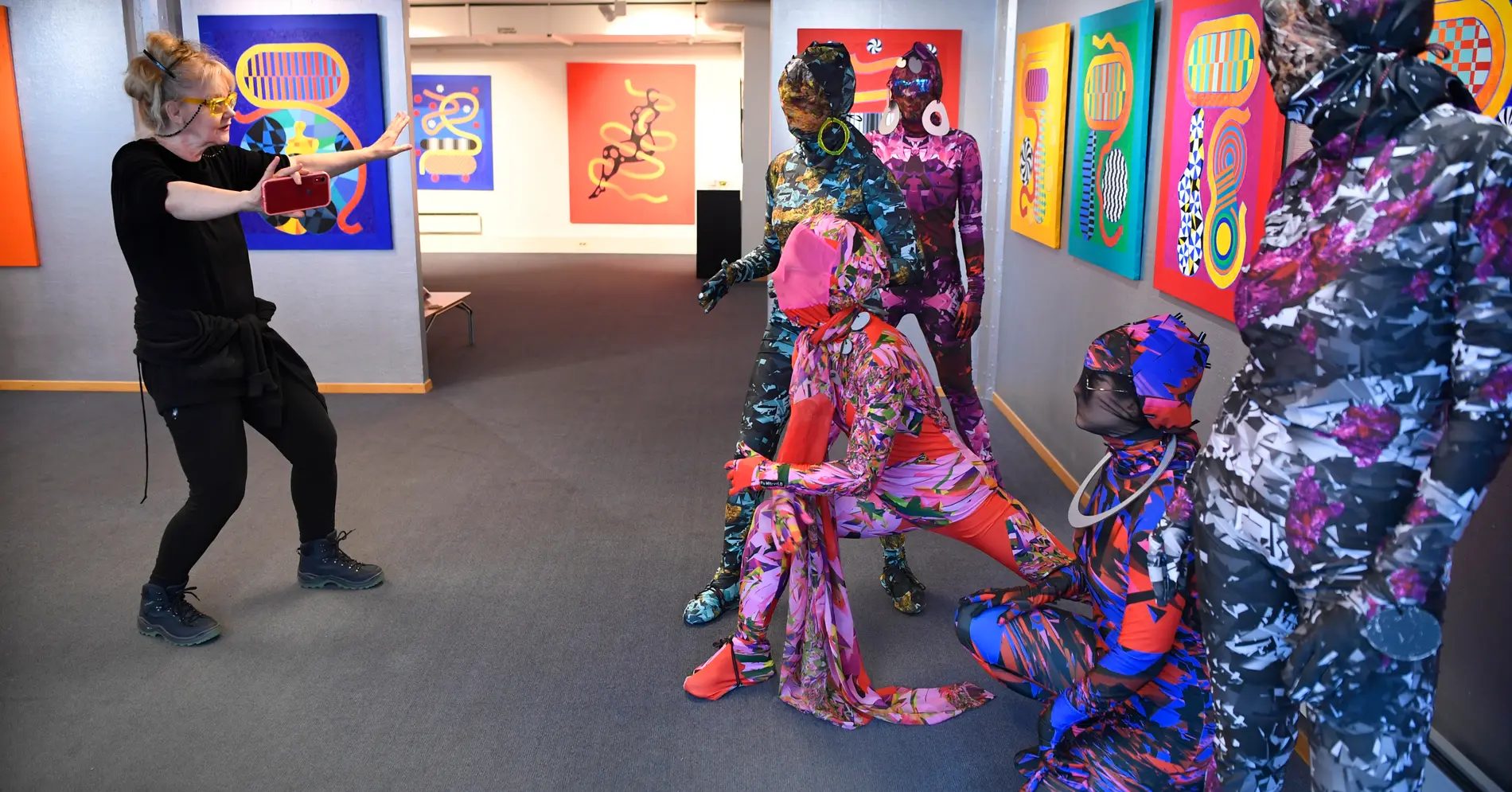
This choice impacted Pia’s incredible journey, allowing the artist to explore the intersections of art and technology with freedom, originality while staying authentic. MYrvoLD’s work has been recognised and celebrated for its innovative integration of digital media, interactive installations, and fashion, setting new standards for what contemporary art can achieve.
From her early ‘textile in architecture’ project at Parc de la Villette to her impactful installations like “Female Interfaces” at Centre Pompidou and the significant “LightHack” sculpture at the Shenzhen Art Museum. Pia’s exhibitions, such as “FLOW – a work in motion” and “The Metamorphoses of the Virtual” at the Venice Biennale, have underscored the importance of new media art, traveling globally from Los Angeles to Shanghai, displaying her ability to captivate international audiences.
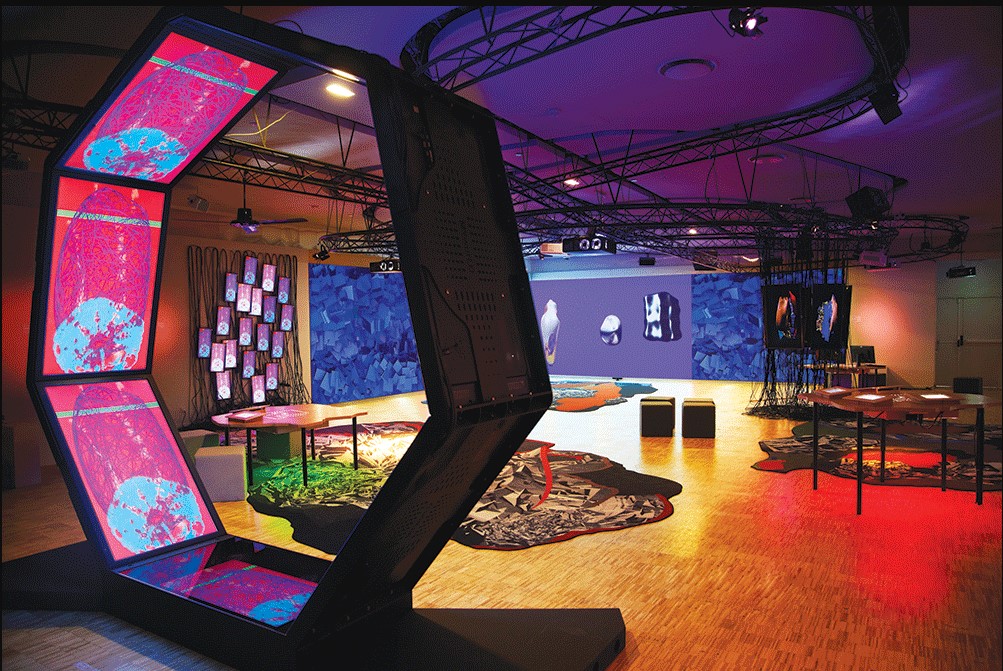
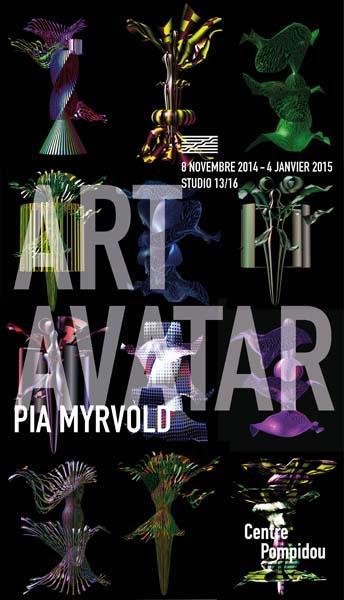
Pia Myrvold delves into her groundbreaking exhibition series, Art Avatar, beginning with its debut at the Centre Pompidou in Paris from November 2014 to March 2015, and its sequel, ART AVATAR 2.0, at Vitenfabrikken Science Museum in Norway from April to August 2017. She reflects on the series’ innovative approach, highlighting its use of facial recognition and body language to enable audience interaction with digital forms and shapes. Myrvold reveals that the exhibition explored the potential of incorporating 3D printing into art, conceiving a notion of “cyber couture,” a concept that, while rich with possibilities, was left unexplored because of funding restrictions.
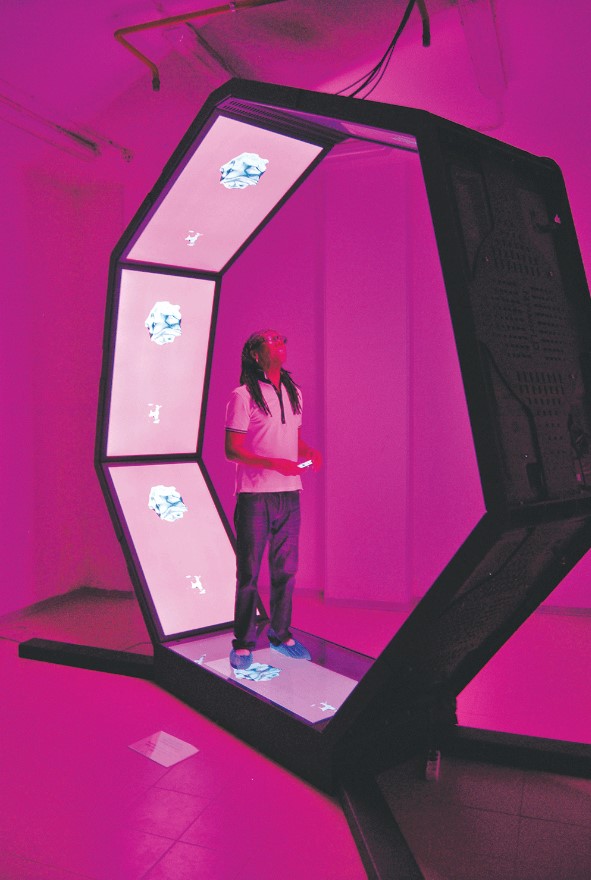
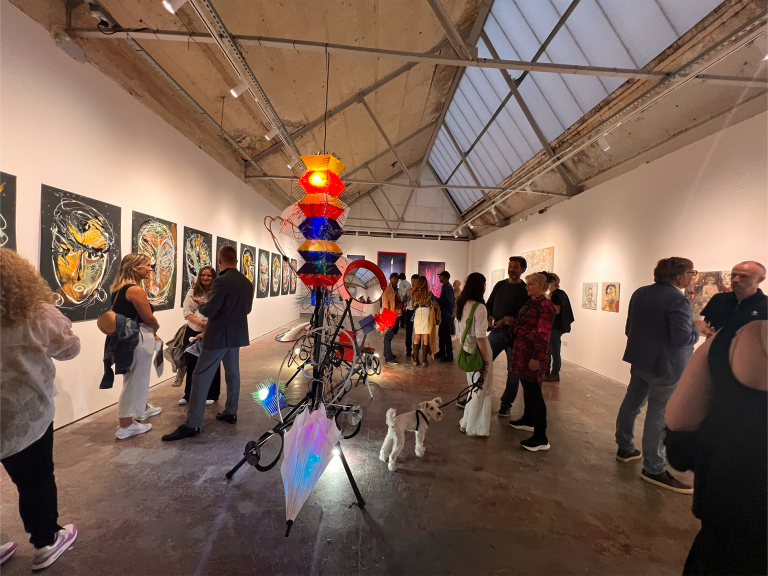
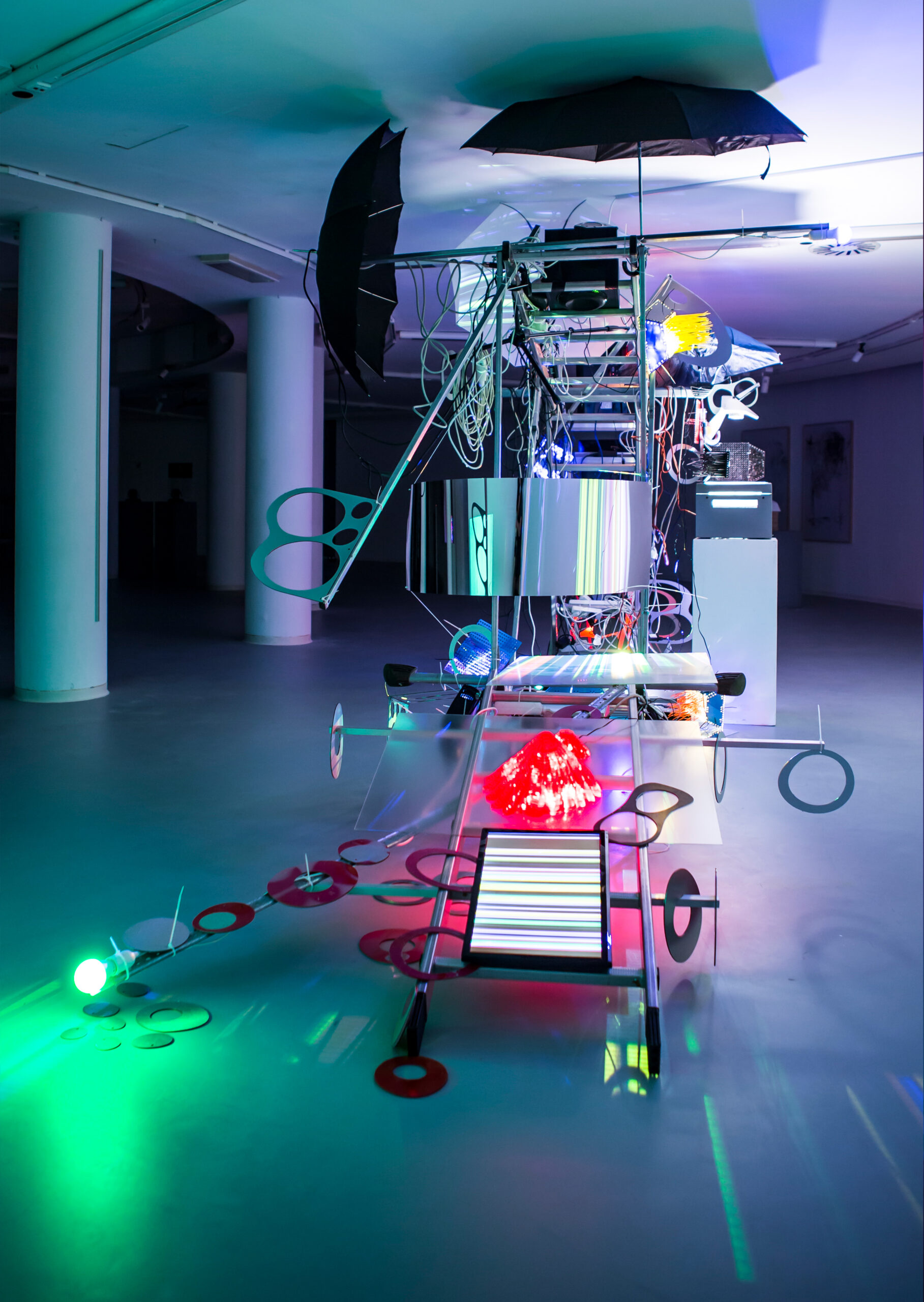
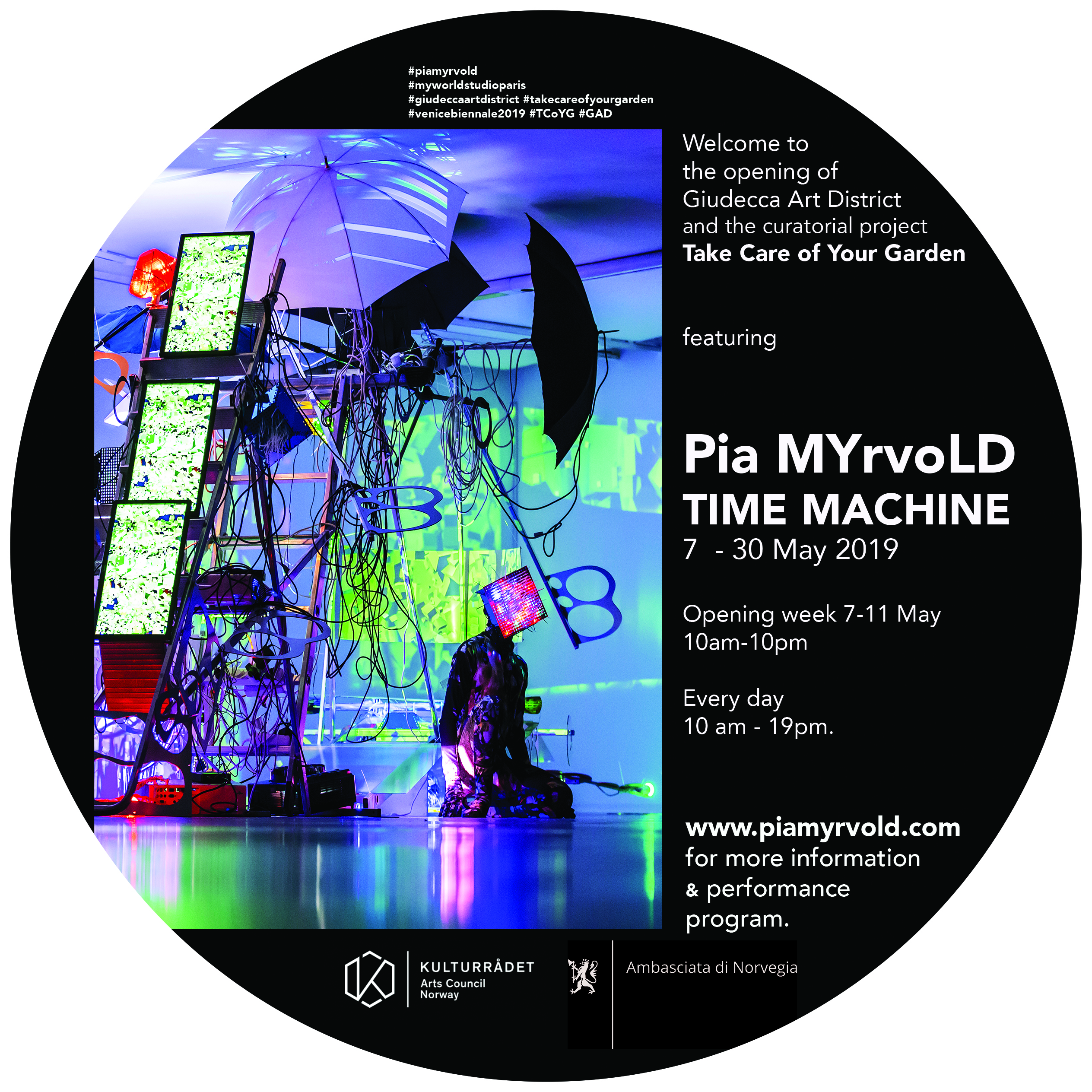
Myrvold’s foray into technological art didn’t stop there; she pioneered the development of sculptures responsive to the presence of people. “I immediately understood that I had the technology to build sculptures that would react to the proximity of people,” she reveals. These sculptures, part of what she calls “wands,” and “first generation smart sculptures” incorporated infrared sensors to detect audience movement, altering sound and light displays in response to factors such as the number of people in the room and their speed. Despite challenges in integrating software and hardware and logistical hurdles of exhibiting internationally, Myrvold’s creative solutions, like utilizing readily available sensor-based light bulbs and adopting a minimalist approach to transport and setup, demonstrate her adaptability and resourcefulness.
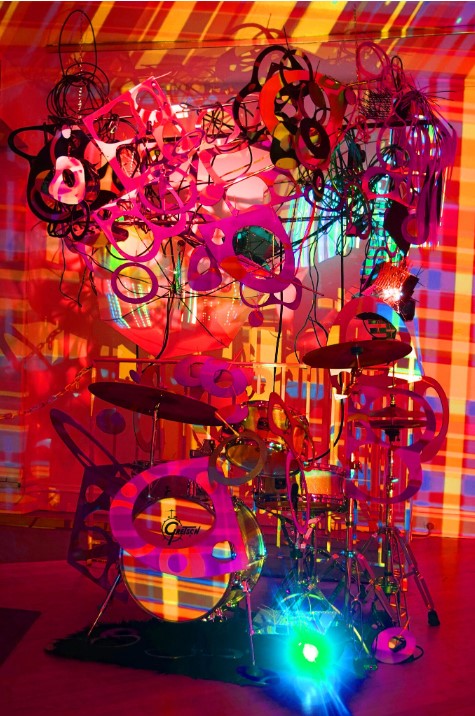
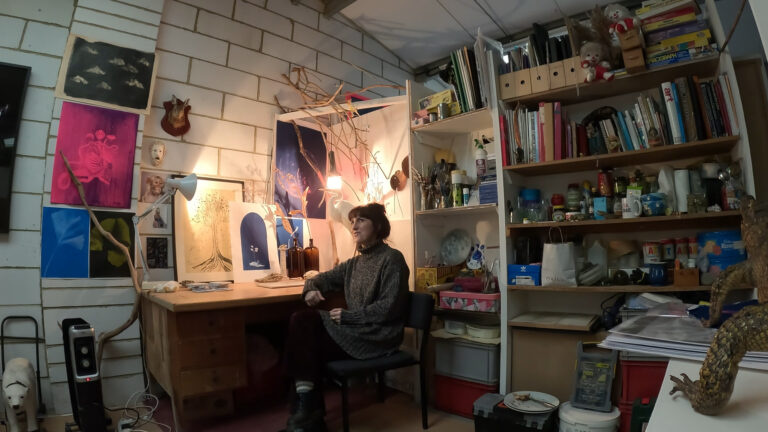
Many of Pia’s artworks can be packed in a carry-on suitcase, can be assembled with locally found materials, embodying her sustainable and independent ethos. Myrvold’s journey showcases her as an independent artist who skilfully tackles the art world’s challenges, always learning and boldly exploring the limits of art and technology with strong determination and belief in herself. This artist exemplifies the epitome of an “independent creator, pioneer, inventor, and visionary curator” to a significant degree.
As a key speaker at the New York Times’ Art for Tomorrow conference and through collaborations with cultural institutions and figures like Bernard Tschumi, Jean Nouvel, and Sheika Al Mayassa, Myrvold has solidified her standing as an influential figure in art and technology. Her work, deeply
entrenched in cultural significance, carves a historical path in the art world, highlighting her as an independent artist who challenges traditional boundaries and embraces the future of digital and physical art fusion. With every project and collaboration, Pia Myrvold not only achieves personal success but also sets a precedent for future generations, underscoring her enduring legacy in the evolving narrative of contemporary art.
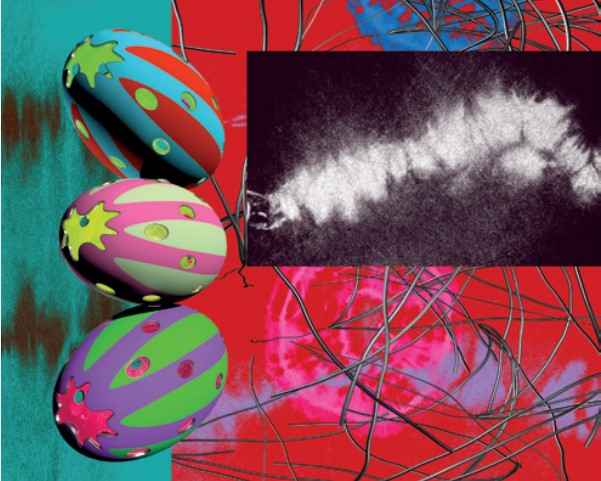
Pia Myrvold, standing at the vibrant intersection of art and technology, has redefined contemporary art with her pioneering exhibitions from the Centre Pompidou to the Venice Art Biennale. Her innovative fusion of digital media and interactive installations, such as “Art Avatar” and “LightHack,” challenges audiences to see art through a fresh perspective. Myrvold’s significant cultural and historical impact not only highlights her as a seminal figure but also drives the narrative of art into the digital age, showcasing the boundless potential of technology in shaping creative expression’s future.
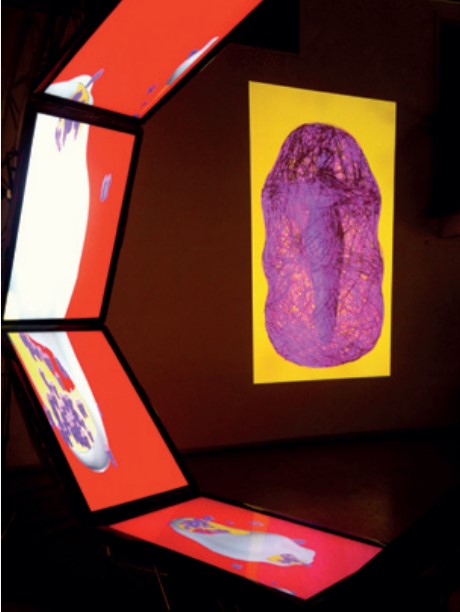
Her continuously evolving work, steeped in the legacy of bridging art and technology, leaves us in anticipation of her next venture. What new realms will Myrvold delve into next, as the world and technology perpetually evolve? Her journey is set to further advance the conversation between art and technology, hinting at uncharted territories that promise to challenge, inspire, and expand the horizons of digital innovation.
As we reflect on MYrvoLD’s transformative contributions, one can’t help but wonder: What new frontiers of artistic exploration will she pioneer next in this ever-changing world?
Check out Pia’s Vimeo to view her exhibitions online. https://vimeo.com/piamyrvold